Getting to Know Charlotte
A Homeschool Life…
When I was first sold on homeschooling, I was smitten with the classical model. I learned later that most “classical” models being advertised in the United States are actually “neo-classical” in practice. They have taken an essay written by Dorothy L. Sayers on the Trivium and pigeon-holed it into something it wasn’t exactly meant to be. The neo-classical model sort of married the United States educational “ideal” and pushes intense academia early, limits the elementary school years to a lot of memorization (the grammar stage), and taken to the extreme (like anything taken to an extreme), steals joy from students and teachers alike.
If you have followed my blog for the last fifteen years, you might remember me “homeschooling” my toddler. (FYI, pre-school is just parenting, not homeschooling. It’s literally PRE school.) Pressured by a narcissistic ex who demanded that my then three year old be able to read already (it’s not developmentally appropriate to force formal reading lessons on children under six), be able to copy out poems (it’s not developmentally appropriate to force small children to write, look up x-rays of their hand bones), and wanted her to be trained as some government super spy assassin (I am a third degree black belt in Kung Fu, but some people have watched too many movies and have no sense of reality and I used to be married to “some people”). Homeschool regret #1: giving into the pressure of my ex to do formal reading lessons because she was bright and could do it and I was hyperlexic and was reading at age three despite knowing that educational studies have long stated that formal lessons shouldn’t begin until six. Homeschool regret #2: ever handing her a worksheet in kindergarten, which wasn’t often, but still…
The things I am proud of, however, is that despite all this pressure, we always focused on living books above all else and I encouraged verbal narrations for years. I do not regret the neo-classical homeschool co-ops we joined (and left), they held an important role in our lives at the time and I met some cherished and beloved friends there even if I was regularly told: you’re not very classical, you’re too Charlotte Mason. The first time I heard that, I started doing some research…
I learned that Charlotte Mason was very classical, and what calls itself classical these days just isn’t. Honestly, it doesn’t really matter, what matters is that I still very much subscribe to both tactics of education and as my oldest is now in highschool and I have three more children with one creeping up on kindergarten (FYI: kindergarten is also PRE- school), I’ve been doing even more reading and research and want to share my favorite resources… the ones I don’t regret.
First: if you’re new to homeschooling or not loving your current homeschool rhythm, this is my favorite link to send parents: The Five Flavors of Homeschooling. I like to share this link so much, I have gotten restricted on Facebook as a potential scammer, despite not having violated the group rules in any of the places I posted it. Knowing your “flavor” can save you a lot of money on homeschool pursuits, and I definitely feel like (having been a single homeschool mom who wasn’t receiving child support that was owed) Charlotte Mason and Unit Studies are the easiest to accomplish for FREE.
Which brings me to my next two resources: Ambleside Online (not an online school) and Well Educated Heart, two curricula that are totally FREE. Ambleside Online is named “online” so as to not confuse it with the Christian private school based on Charlotte Mason’s philosophy still operating in the UK. It’s a full “scope and sequence” and any time you can’t find a title for free or a price you can afford, you can usually access it on Project Gutenberg or substitute it with something suitable. The focus is having the students read real books and source documents, narrating those books, and embracing the idea that Education is the Science of Relations by making connections to things they have studied and the world around them. Well Educated Heart is very similar, but clusters the material into something like unit studies, despite Charlotte Mason discouraging unit studies (because she wanted the children to make the connection, not have the teacher present the ideas already connected). Well Educated Heart offers their curricula for free and the feature I like most is that the audio files are also available on their site for… wait for it… FREE.
But wait, what is narration? That brings me to my third resource that I like to send people: Episode 7 of Cindy Rollins’s podcast The New Mason Jar. I had already read Karen Glass’s book Know and Tell (as well as Charlotte Mason’s original Home Education series) when I stumbled across the podcast episode and I think the podcast is a more approachable way for people to access the road to narration because (Gasp!) a lot of people don’t want to read the books (it actually drives me nuts, but I kind of get it: people are busy, especially mothers). The beauty of pursuing the art of narration isn’t just in the brain development aspect (which is phenomenal), it’s also the price tag… narration is… you guessed it… FREE. No fancy writing programs, no workbooks checking reading comprehension, no drama. A verbal narration costs nothing but the work of a brain muscle and a listening ear plus time. As the students get older a composition book and pen will do the trick. Charlotte Mason educations are truly thorough and affordable. I still teach essay writing, Charlotte Mason purists say they don’t, but a narration is basically an expository essay written beautifully. I still don’t use curricula to teach essay writing, we use narrations and read a lot of well written essays (and sermons) and writing memoirs. My oldest loved Zen in the Art of Writing by Bradbury (after reading Fahrenheit 451) and Zinsser’s On Writing Well. Her seventh grade year also included Annie Dillard’s Pilgrim at Tinker Creek and Writing Life. I think the inspiration of her favorite authors talking about their writing lives was the most effective writing tutor I could have ever received.
Other things I’m pleased I did, but will definitely do more of with the younger ones:
- Fairy Tales: read all the fairy tales
- Music: classical music, folk songs, sea shanties, hymns… studying music throughout history and enjoying it in passing has done nothing but enrich our lives and our studies. My oldest plays the tin whistle, piano, clarinet, violin, and pretty much any instrument she can get her hands on. She also enjoyed two years of choir.
- Scripture Memory Box
- Poetry: we added a memory box just for poetry and the kids are loving it. Instead of being set up the way it is for the scripture memory box as described in the YouTube video I linked, it only has month tabs and we read a poem every day that month. This is in addition to the poetry we study for language arts.
- Picture Study: I want to be more intentional about this in the future, but currently we just decorate our home with real art. Paintings we find at Goodwill or garage sales plus a few John William Waterhouse prints I have always loved.
- Classical Conversations songs: they’re neo-classical, they’re expensive, but my goodness if you can find the CDs used somewhere or splurge on their overpriced app, the kids love and remember their awful songs! The Timeline song has been an atrocious gift that keeps on giving and I’m so happy it was and is a part of our lives.
This semester (Fall 2025), the oldest and I have been reading Charlotte Mason’s Ourselves. One of the fun things about homeschooling in the teen years is that as they grow and reason and read for themselves they really start to see the light regarding the choices you have made as a parent and educator over the years. Ourselves isn’t her favorite book, she didn’t catch right off the bat that Mason was alluding to Prudentius–She hasn’t read Prudentius. I’m 41 and have only read some of his work and The Fight for Mansoul just happened to be one of them because I’m a ‘buy all the Latin texts I can afford’ junkie.–But she is having thoughtful conversations with me about it and understands the value of it having been assigned. She can describe the Trivium and how it is needed when learning something new… you always start with the grammar stage (memorizing new facts, acquiring basic knowledge on a subject), move to a logic and dialectic stage (when you can understand and reason through the ideas presented in the subject at hand), and finally rest in a state of rhetoric (being able to express the ideas persuasively), and that these stages will be repeated throughout your whole life as you pursue new things to learn because education is a lifetime pursuit. It’s exciting to be here, even though she’s only in 9th grade, only fifteen years old, even though she wanted to start college courses several years ago and won’t be actually starting one until next semester, it is so exciting to be here and the teen years are absolutely my favorite… and I think Charlotte Mason (and more importantly God) has had a lot to do with that.
(As an Amazon affiliate I earn from qualifying purchases.)
Unexpected Odes to Literature
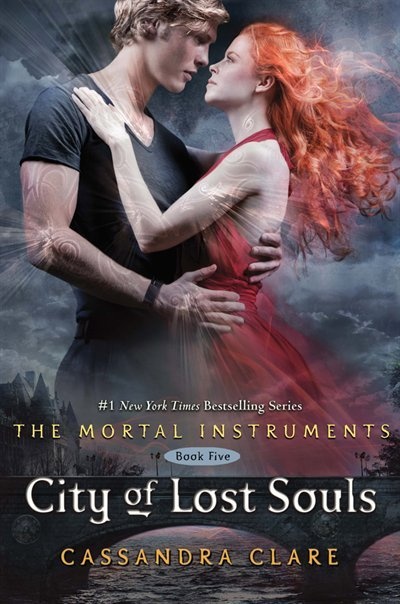 Title: City of Lost Souls

Author: Cassandra Clare
Genre: Young Adult/ Fantasy
Length: 534 pages
For me, what makes the writings of Cassandra Clare so captivating isn’t the fairy tale romance, the paranormal elements, or the bad ass fight sequences… at the heart of it all, it’s the way Clare manages to make a young adult fantasy saga an sequence of unexpected odes to her favorite pieces of literature.
“No man chooses evil because it is evil. He only mistakes it for happiness, the good he seeks.” – Mary Wollstonecraft
“Love is familiar. Love is a devil. There is no evil angel but Love.” – William Shakespeare, Love’s Labour’s Lost
“I love you as one loves certain dark things.” – Pablo Neruda, “Sonnet XVII”
“All changed, changed utterly: A terrible beauty is born.” – William Butler Yeats, “Easter, 1916”
Whether the story was constructed around these quotes, or the quotes  were slipped into the story, the two halves were beautifully married together. Just as Clare always manages to do.
If you recall my review of The Book of Secrets you should be well aware of how much I cherish this particular aspect of storytelling. I love peeping into the mind of the author and what they’ve read before – what work we may have both cherished. I love to see how others acknowledge how literature builds a soul. Even if that soul is an imagined character in another book.
A reviewer on Goodreads mentioned they thought it was silly that all these Shadowhunter kids were completely oblivious of what went on in the mundane world half the time – Jace completely misses references to Madonna or Dungeons & Dragons games – but are well versed in William Shakespeare and Dante.
As a classical book geek it makes perfect sense to me. I was raised on Charles Dickens and the Brontes, not the latest boy band or pop culture trends. Poetry is timeless. New Kids on the Block obviously not so much.
One doesn’t expect these odes and references in a paranormal teen romance. I suppose that’s what makes them so stunningly lovely.
Greek Mythology… with children
(Weekly Low Down on Kids Books)
 Unfortunately this awesome image is not from a book. I think it’s from a video game.
The kiddo and I have been reading Percy Jackson & The Olympians: The Lightning Thief by Rick Riordan. Is she a little young to catch everything, of course, she’s not yet three. Is she following the story? Better than you might imagine. I highly recommend that parents read kids stories that are far outside the child’s reading level. By doing this they are exposed to mature language styles sooner, learn new vocabulary words, and in the case of Rick Riordan, appreciate Disney movies like Hercules that much more.
We’re not finished reading Percy Jackson, so this review isn’t about that. This review is about picture books we’ve been reading during the day in preparation for our before bed time romps with Riordan’s Olympians.
 Title: Gods and Goddesses from Greek Myths
Publisher: McGraw Hill Childrens/ Peter Bendrick Books/ Octopus Publishing Group
Retold by: Pat Rosner
Illustrated by: Olwyn Whelan
ISBN: 1-57768-508-3
Typically I provide links and images to the book, where you can find and purchase it, etc. But it seems that Gods and Goddesses lives an off the grid book life. It seems to be extremely difficult to find online and I was in the middle of typing here that I could not find it when I got the idea to check hpbmarketplace.com. I purchased it from a Half Price Books a few years ago, but sure enough the marketplace wins again! As you browse through the prices, you’ll see some are quite expensive. I only paid about $5 for this at the store, I wonder if it is currently out of print. Mine is in mint condition.
The illustrations are delightful, the retold myths thorough but easy to grasp. It’s not kiddo’s favorite book, but I can tell it has helped her grasp what is happening in the Percy Jackson books. Sometimes she just flips through the Greek style pictures while listening to me read Riordan’s work.
If I were in McKinney, TX right now I’d purchase the Fantastic Creatures from Greek Mythology as well, because I like these so much and I think Olwyn Whelan is a genius illustrator. Everything she touches, I think, would be great homeschooling resources.
Other resources we enjoy:

Music You Can Read To
Best Gift Ever
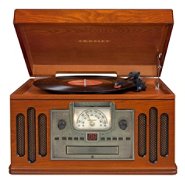
When starting my day, I almost always flick on the switch to the radio and set my mood. There’s cooking breakfast music, dancing music, workout music, sex music… there’s music you write to, music you relax to, music you mow the lawn or party to, there’s I’m working on the car music, there’s its raining outside music… and of course, every book lover has their favorite reading music.
Lately, my favorite reading music has been Andreas Vollenweider
 While listening to the calm, but not sleepy, tunes of Vollenweider’s many instruments, his work suits both jazz and classical moods, and I’ve found it to be a perfect companion to Ayla’s school time. School time is quite short, as she’s only a year and a half. But while she masters holding a writing utensil and hanging out at the kitchen table while snacking on cheerios, I’ve been reading segments of Susan Wise Bauer
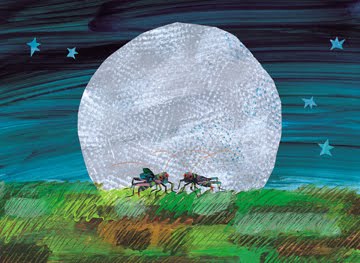
from Eric Carle’s The Very Quiet Cricket, features great reading noise for baby at the end of the book
After Ayla goes to bed at night, I usually read while my husband watches TedTalks on Netflix. After he falls asleep, though, the music I read to is a little bit different. Its the music of a quiet house. My tea pot steaming on the stove, my beagle jingling around the house as he nestles into a cozy place to sleep for the evening. Through open windows comes the singing of crickets, frogs, and cicadas. Sometimes I can hear Solovino, our stray cat, pad by the front patio windo. You would think cats would be quiet and stealthy, he can be, but mostly he likes to taunt my dogs. Solovino was born under our deck, the other kittens from the litter found homes via neighbor friends and moved away, but Solovino now stalks our street and kills our mice population. There are about four houses that ‘share’ him. My next door neighbor gave him his name, she says it means he is “an univited guest that doesn’t want to leave,” but if we were all true to ourselves we would admit that we would hate to see him go. He is the loudest meower that has ever lived, you can hear that cat all the way across the neighborhood and some days I spend my reading time blocking out his competitive high pitched sing song MEOW while also intermittently egging him on with a cat call of my own. Now, while I type, the gentle hum of a fan is buzzing and I can just barely hear the hubby breathing in his sleep. As soon as this post is done, its back to the books, because the sound right now is in that happy soothing place (teetering on the virge of annoying, but too calming to quite get there).
Do you listen to music while you read? What is your favorite music to read to? If you don’t, what is your reading environment like… indoors, outdoors, do you start the kettle to hear the whistle blow, do you wait until night to hear the cicadas chirp?





 Anakalian Whims