Changing Scenery
With all my book reading and reviewing, all my cozy coffee and tea posts, and the hominess of my published work – one would presume that I was a homebody. I don’t get nearly enough credit for my nomadic nature, and now I’m feeling it kick in as I leave my house of six and a half years for the unknown.
So how exactly does a “pack rat” and a “homebody” go from 2,000 square feet to 2 already furnished bedrooms and 5×15 storage unit?
You throw everything away.
Just kidding.
But no, really, you donate half of everything you own. At least half. Possibly more. I’m not done yet, but I have taken several TRUCK LOADS of random things to Goodwill this week. They know me now.
It’s invigorating. A little bit scary. A lotta-bit awesome.
This also brings me to my next point: I’ve done it. I’ve gotten myself a kindle.
While purging my stacks of “I might read this if I get cancer” books, and donating everything I had already read and had no intentions of reading twice… after picking carefully through my paperbacks and gifting most of them because we prefer hardbacks and trade size paperbacks anyway… after all this cleansing, I thought, how can I continue to take hardcopies for reviews when 1. it’s more expensive for the author/ publisher 2. I’m not sure of my current address, or what it will be in the future. 3. I have no place to put the books once I’ve received them.
So I am now an ebook girl. (Post on this coming soon, because I’m proving to be an ebook moron.)
Don’t panic. My extensive library still exists. I managed to take about 1/4 of the books we’re keeping to our current digs and the rest are in my not-quite-big-enough-but-perfect-because-it-has-made-me-get-rid-of-crap storage unit. My reading life just looks and feels a lot different than it used to. I’m not lounging with my three dogs in a massive home library… I’m curled up on a small couch or possibly outside with my kindle. Dogs are in limbo, unfortunately, but we love them and they will join us soon… just not inside… instead there’s an acre lot soon to be at their disposal.
All of this comes on the cusp of a new publisher, a new writing contract, and a return (temporarily) to working full time in a bookstore sometime next month.
All that, and I just started going through Teach Your Child to Read in 100 Easy Lessons. We completed Lesson 2 this morning. Homeschooling is going to get really interesting this winter. Husband, Kiddo, and Me have an interesting adventure ahead…
So, readers, what’s happening in YOUR lives?
Journaling Through 1000 Days in Venice
 Title: A Thousand Days in Venice
Author: Marlena de Blasi
Genre: Travel/ Memoir
Length: 272 pages
“1000 Days in Venice,” I wrote in my journal, “I want Venice without Fernando. Venice sounds lovely. Fernando, annoying.”
I suppose I feel this way because I am happily married to a man who is nothing like Fernando. But my love, or lack thereof, for the man who swept de Blasi off her feet has nothing to do with my enjoyment of the book. The book is lovely. And what follows are my journal entries from my reading, quotes that moved me and so on:
To fall in love with a face is ridiculous – at least a face with no personality. It would be as though I were to declare myself in love with Jamie Campbell Bower off his side profile. I cannot stand that mentality. A face can only be so lovely.
“full of tears and crumbs”
“I cry for how life intoxicates.” – pg. 29
In love for the first time? But she had babies…
She laments that so many people are trying to save her from a man they don’t know. Then admits repeatedly that she doesn’t know him either. I want to save her too, no matter how terribly romantic I find it that she’s sold her house, auctioned belongings off in the airport and arrived to see her fiance whom she has never seen in summer before.
Then again, arranged marriages work – why not a marriage between people who have met a few times and spent a week together?
“Living as a couple never means that each gets half. You must take turns at giving more than getting. It’s not the same as bow to the other whether to dine out rather than in, or which one gets massaged that evening with oil of calendula; there are seasons in the life of a couple that function, I think, a little like a night watch. One stands guard, often for a long time, providing the serenity in which the other can work at something. Usually that something is sinewy and full of spines. One goes inside the dark place while the other stays outside, holding up the moon.” – pg. 147
Such a beautiful sentiment. So much truth to it. Despite the fact that she married a stranger – even calls him that, stranger – she knows marriage.
Transfer? Why? I don’t want to live another version of this life. I want to do something totally different, but together. Perhaps my dislike for Fernando is that he reminds me of myself. In this moment, I love him, he lives what I want.
I give lots of memoirs away once I’m done reading them. But this one is a keeper – there are recipes. Besides the recipes, it is beautiful. I will probably read it again one day.
Books I Gave Away
I may be moving. We’re not sure yet. That is another story for another time – and trust me, regardless of the outcome, the story will be told.
In these uncertain times, I am going through my belongings, and most importantly, my library. I’m consolidating, selling, giving away.
I haven’t cataloged every book donated or tossed. You would think the ex-inventory manager in me would, but honestly I find it a little depressing. But there are a few that have made some pretty huge impacts on my memory.
So here are the things I remember getting rid of (I donated about 100 books to the public library recently, if not more), and why:
Ramses Series by Christian Jacq
I read the first three of this series and then gave up. I owned all five. I loved Christian Jacq’s Queen of Freedom trilogy and immediately purchased two other historical fiction series by this world famous Egyptologist and fiction writer. I got annoyed with the Ramses series because it did not feel based in history at all, which is something that I find incredibly annoying especially for this genre. I’m keeping the Queen of Freedom books because I loved them; and the Stone of Light series because I haven’t read it. Ramses, on the other hand, had to go. A week after dropping them off at the library, I saw them perched all in a row on a shelf. It made me smile.
Walter Mosley Hardbacks
I don’t know how I ended up with these. I do remember them surviving previous purges because I intended to read them eventually. I thought it was nice to have a diverse collection. But the truth is: I like classic literature and I like cozy mysteries. I don’t tend to read a lot of run of the mill genre mystery books and these just never called my name. Not ever. They sat and amidst John Grisham titles from my childhood and collected dust. I’m glad to know they were not perched on the for sale shelf at the library – either they are currently in circulation or they got bought up quickly. That, too, makes me smile.
James Herriot
I think I mentioned this already, but goodness! Me, oh, my! I end up with so many duplicates of this fellow. Every time I pull a book from a corner I swear it’s a James Herriot duplicate of an existing hardback I have tucked somewhere else. They’re everywhere! I think James Herriot books may actually reproduce other James Herriot books – like plastic bags from the grocery store manage to do in your pantry – put one in there and out come five. No smiling here. Just sheer, baffled giggles.
What books do you find yourself purging when the time comes?
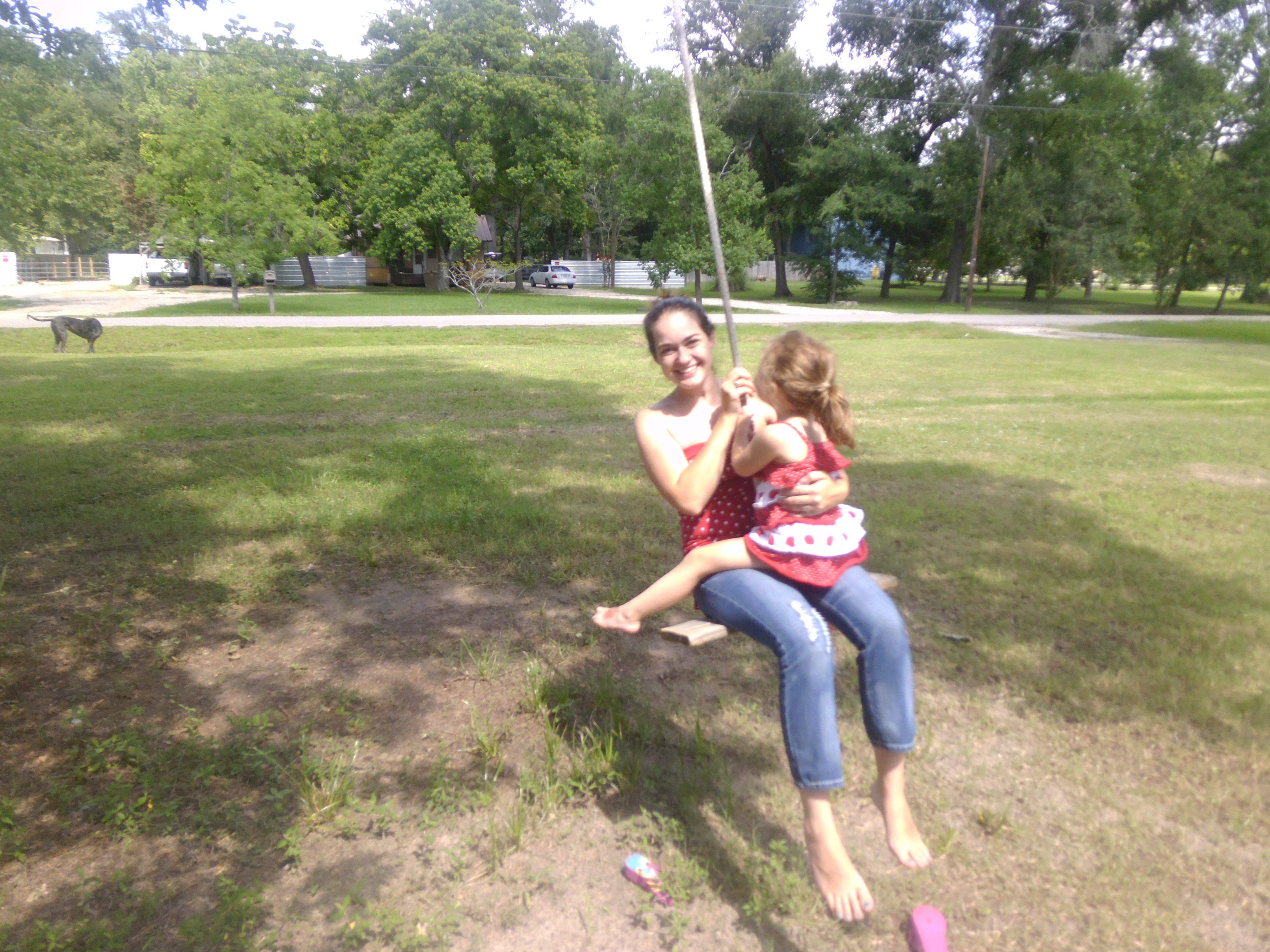


Censorship vs. Guidance… oh and that other thing called Hoarding
 As I clean out my library, I find myself selecting what to discard mostly based on my daughter’s mind rather than my own. I read Sarah Dunant once, it was interesting, I don’t recall it blowing me away. Looking at the titles I have, I find myself wanting to keep hardbacks and the Sarah Dunant copies I have are clean, pretty, and one is a hardback. If I purchased them, which I doubt, it was most likely out of a clearance pile somewhere. At most I imagine I spent 50 cents or a dollar.
But that is not why I find myself stacking them in the donate to the library pile. Instead, it is because I find myself thinking – “Is this necessary? Does she need this? Even if it wasn’t necessary, is it important?” There are scenes in which I’d rather not my child’s brain be muddled with unless it belongs to something epic or beautiful. Sexual content, murderous content, without a larger than life literary lesson or great impact on the worldview seems so wasteful.
 I sit here with William Kennedy’s Ironweed. It is a Pulitzer prize winner. It is the copy I was handed in high school by a teacher who found I had read everything else on the required reading list and then some. It’s brilliant, I don’t contest that. But I remember being appalled and annoyed by it. I remember thinking, “Reading this is not going to make me a better person in any way – AND I’m not particularly enjoying it either.” The book hoarder in me kept it because it was something I read in high school for class. I kept it because it was a Pulitzer prize winner. I kept it under the assumption that maybe I missed something and it was important.
The mother in me finds myself putting it in the library donate pile. If she wants to read it later, she can check it out at the library – but I only want to keep things in my house that I can either recommend or things that I, myself, haven’ t read yet either. If I’m going to push crass, horrible people in horrible circumstances onto my daughter, I’ll give her Steinbeck – not Kennedy. If she needs to read about prostitution, I’d rather give her Moll Flanders and Les Miserables than Slammerskin. Not to be a chronological snob, I’m just as quick to recommend Girl, Interrupted as a cautionary tale against promiscuity or The Glass Castle and A Tree Grows in Brooklyn concerning the woes and hardships of being low on the socio-economic bean pole.
Most of what is going in the bags are things I find myself with multiple copies of for some inexplicable reason. James Herriot’s books seem to breed in my house, much like plastic bags from the grocery store do in your pantry. I swear I only brought home one, but there are three copies of All Things Wise and Wonderful. Even more perplexing is the fact that I have yet to read anything he wrote.
 There are piles of Anita Shreve books. I’ve also never read an Anita Shreve title. I find the covers used to market her work exceptionally dull. When I shelved fiction at the bookstore, I cringed whenever I opened a box to find them peering up at me. Yet, I have copies of these books in my own home. They never sell, they are in abundance at the library, I find myself walking home with freebies from various places often. Again, thinking, ‘what if I become terminally ill and somehow run out of reading material.’
Book hoarder recovery 101: If you aren’t going to read it healthy, don’t anticipate reading it when ill. Also, someone will probably be willing to go to the library for you should the need arise.
This is hard for me. Then, of course, I think – is Anita Shreve important or a past time? And if she’s a past time, that is fine, but do I need so many past times lurking in my space? There comes a point when you are surrounded by so many options, you can no longer choose. It is too overwhelming and you find yourself at a hole in the wall public library that has fewer options than your own house, just to narrow the selection field. Maybe one day I’ll read Anita Shreve. Maybe I’ll love her. Maybe she’s amazing. But for now, she’s going in the donate bag.
Yet, I have hardbacks of John Grisham I can’t bring myself to let go. My twelve year old self still riveted by such drama. I could argue that it is because many of them are first edition hardbacks, but then there are my paperback coffee house and tea house mysteries that stay on the ready for a good bubble bath or morning on the back porch. Can’t let those go – yet.
How do you sort your keepers from your donates?
Sun-Burned Days
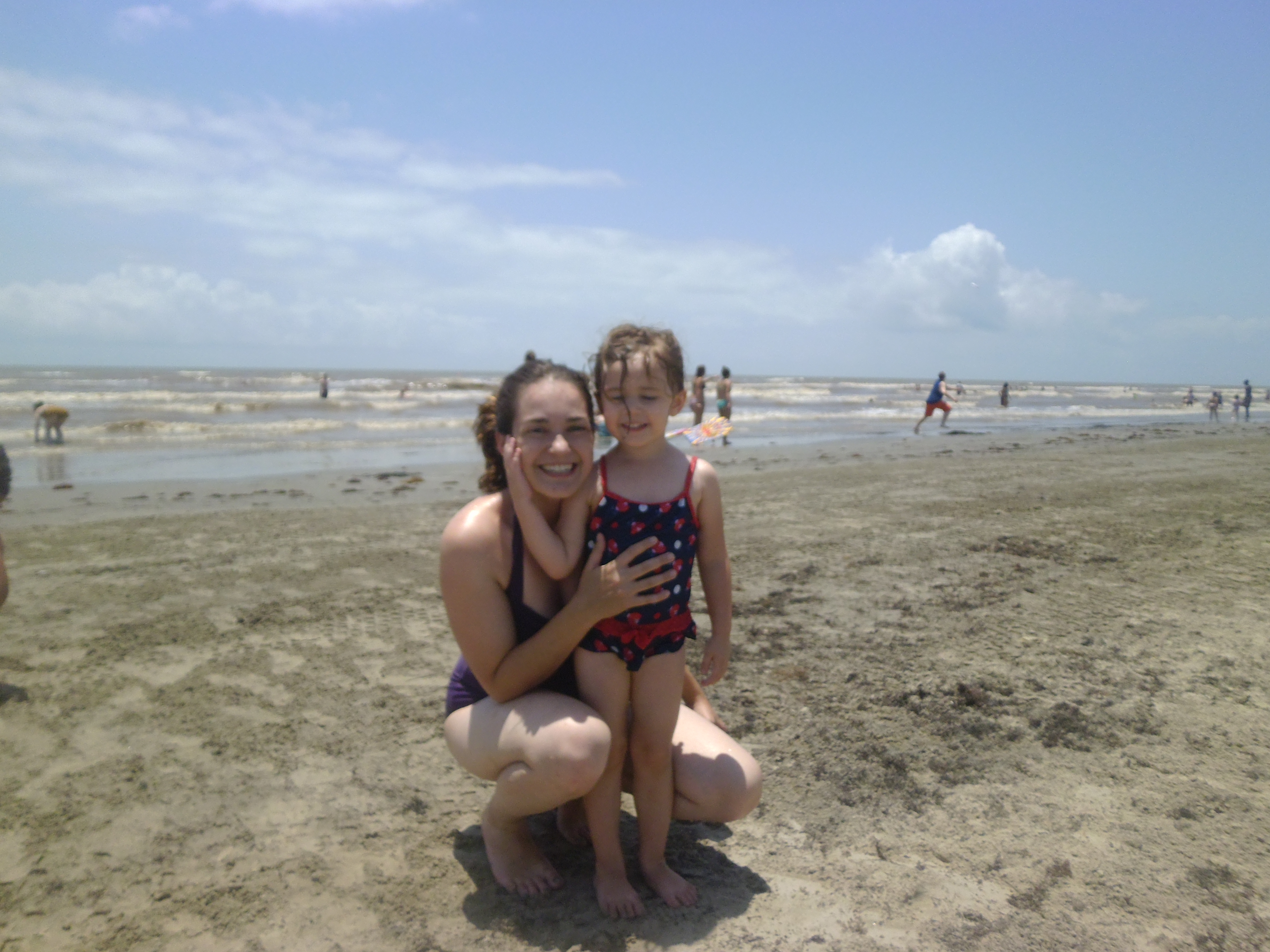 We went to the beach yesterday. It was amazing. We played in the sun, splashed in the waves, built sand castles with moats and walls and invading armies. We applied sunblock every 30 minutes to our fair-fair skin – spf 50. And in between those moments sprayed another kind of sunblock over our whole body to ensure that I hadn’t missed any spots.
Nonetheless, today we are burnt. Really burnt. Ok, so kiddo is moderately burnt and my legs look like lobster legs.
These are the days when being a reader and quasi hermit come in handy… we are sitting in the cool of the house watching book-based movies (The Rise of the Guardians) and patting our body parts down with home remedies.
So far, it has been a steady application of vinegar water (to take the heat out), egg whites (to minimize the blistering), aloe vera (because everyone knows to use aloe!), and at some point today I plan to try out a black tea poultice but that will require me to go purchase some Earl Gray. Frankly, neither one of us wants to leave the house.
Prior to all this excitement (or miserable post-beach adventurism) however, I was seriously looking into the idea of moving closer to the shoreline. (I’m still thinking I want to add this to my bucket list.) If only for a 6 month lease someday.
 Galveston in particular is full of a rich history that I was briefly introduced to in school, mostly surrounding the epic flood of 1900 and the statue memorializing that event. I remember studying the great September 8th flood in both fourth grade and seventh grade. I even wrote a fictional diary of a girl caught in the flood as part of a required creative writing exercise. With 145 mile an hour winds, near total destruction, families lost and killed, I sort of believed it wasn’t a viable living option. Despite it being a great place to visit for the day, when Ike hit, I was still surprised to learn that people actually live on the island year round. I grew up believing it was a Houstonian’s day trip destination and nothing more.
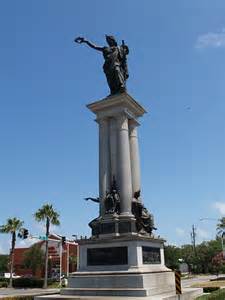 One in particular that amazed me this weekend was the statue regarding the Texas Revolution. It’s huge, and gorgeous, and well worth a child’s research paper. Despite all the intense Texas History a child is submitted to as a ward of the Texas public education system, I had completely been unaware (or merely forgot) that Galveston was the Republic of Texas’ capital city.
I definitely want to incorporate more beach trips into our lives – despite our fair skin and my current severe sun burn. But if I were to ever live there for a few months or so with our kiddo, I have so many cool lessons plans already half built around what would become our daily schedule. Just the architecture alone is worth a good week’s worth of study.
The whole day was a gentle reminder to be a tourist in your own city from time to time. It can be highly educational.
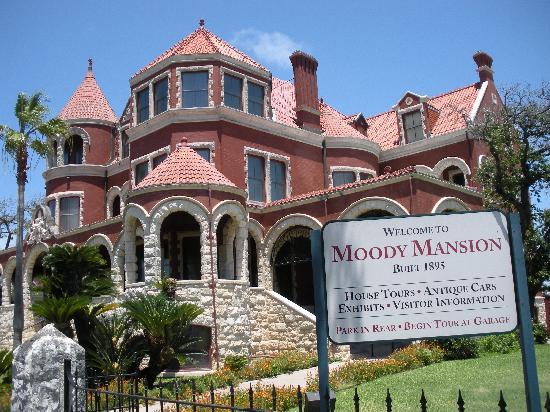
Until then, maybe we’ll check out some Books about Galveston Island
Mother’s Day
This is my third mother’s day – fourth if you’re one of those people that count mother’s day when you’re pregnant because you’re a mother from the first heartbeat. I believe in life from the moment of conception, but I wasn’t really thinking of myself as a mother yet. I didn’t really feel like a mother until I was nursing and changing diapers and praying I didn’t screw it up.

Although this blog began as a book review blog, it is still a blog and by definition it is an online diary. Which means it contains not just one of my passions, but all of them. Books, Kung Fu, Cycling, and now, of course, for the last three years – mothering.
Being a mother, for me, has meant that I have found every possible way to make half my previous yearly income from home. I’m not quite making half as my book sales are chronically lean because it’s in the wrong category on Amazon. I’m a little conceited about the beauty of its cover and enticing back jacket blurb and think it would sell like hotcakes if only the right people could find it by browsing.
Of course, being a mother has actually made it possible for me to finish writing a book in the first place.
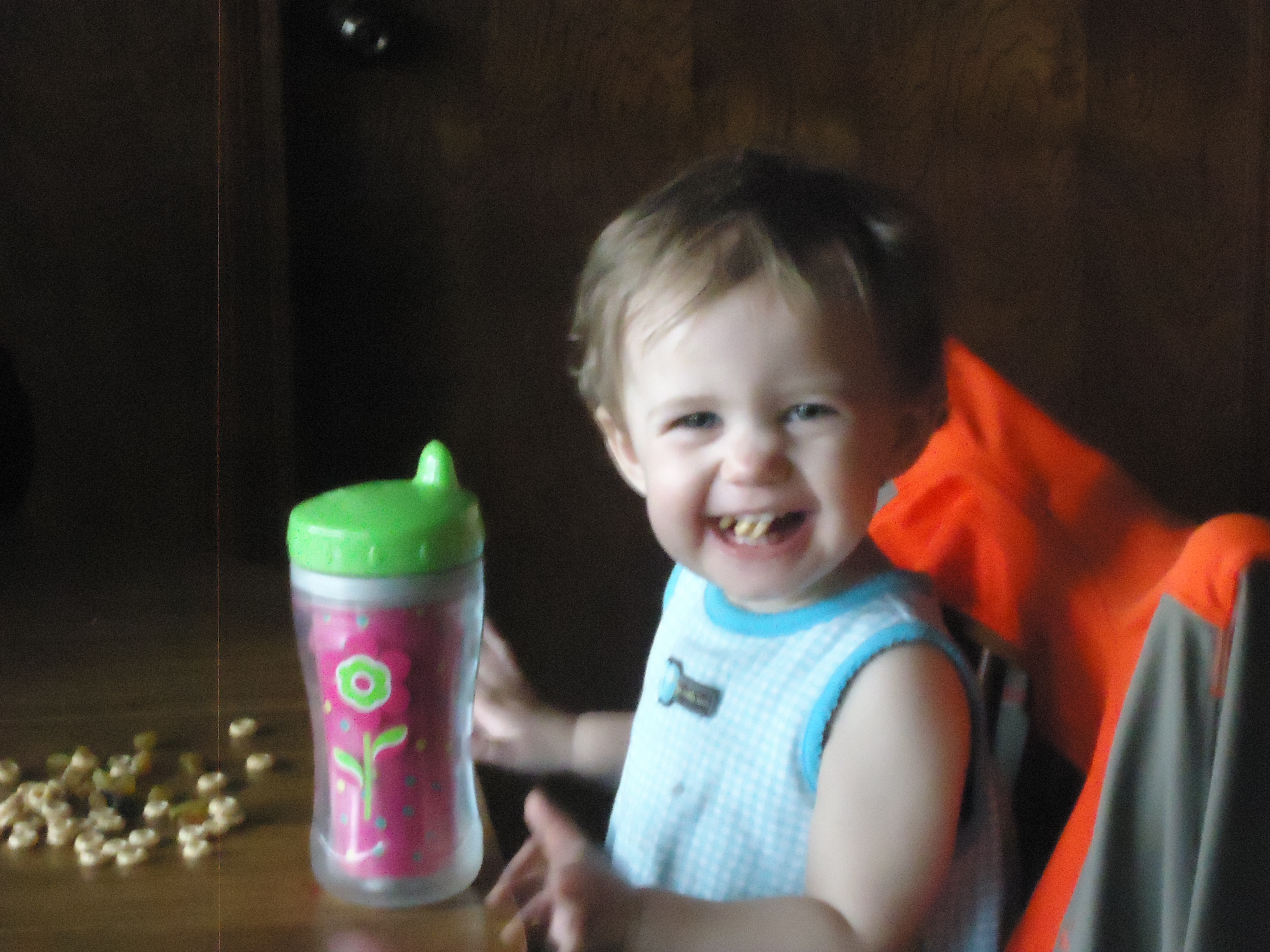 Being a mother, for me, has meant that my book reviews take me twice as long to write because I used to be able to completely bury myself in a book until I felt like coming up for air. Now, I don’t get to choose when I come up for air – that is usually chosen for me by a precocious three year old who will say things like, “Mommy, I need more juice.” “Mommy, look, it’s echoes, like in the bathroom.” (After drawing a series of parenthesis like lines getting larger across the width of her chalkboard.) “Mommy, I need a peanut butter sandwich.” “Mommy, you be the orange dalek and I’ll be the white one – ‘Exterminate! Exterminate!” (While dancing rubber Daleks across my kitchen table.) “Mommy, I want to learn something. Can we do a lesson?” “Mommy, can you teach me my letters now?” I love my tiny, vocal, human who will assert her needs and remind me to read to her at every turn and not neglect her schooling.
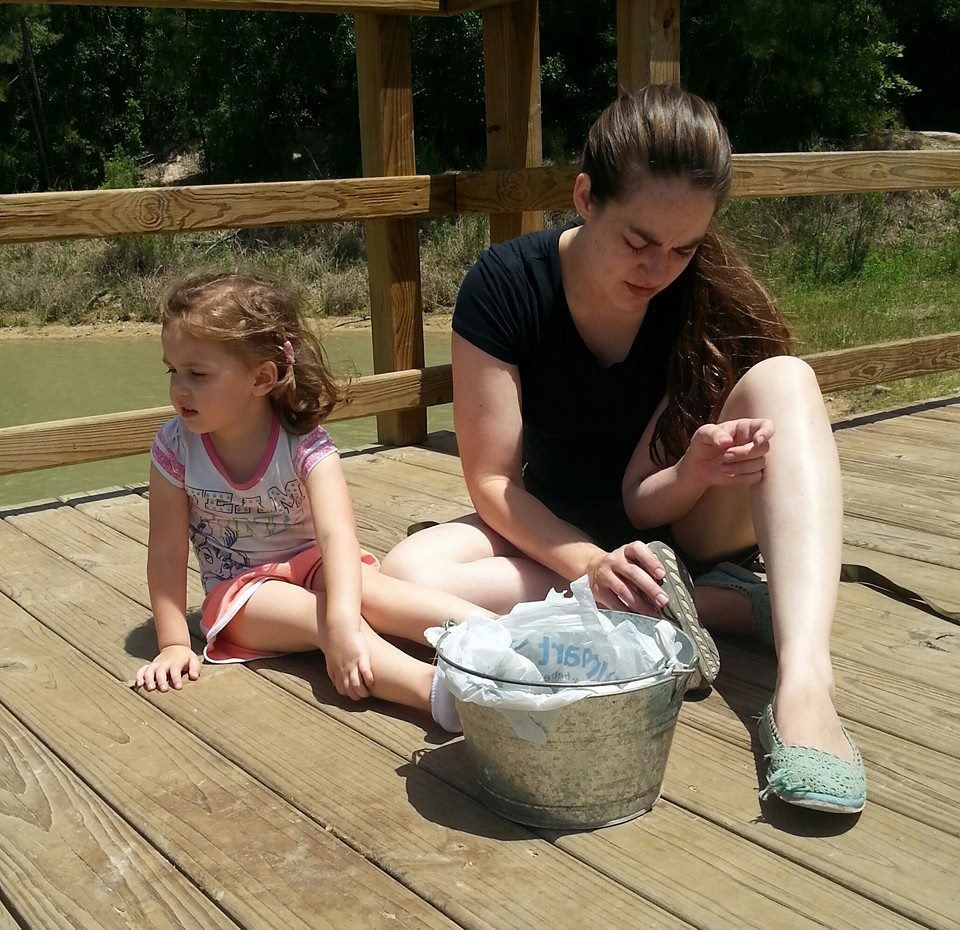 Being a mother, for me, means endless beautiful walks in the woods. Miles and miles of trails, flower picking, foraging, bird-watching, and outdoor story time. It means multiple trips to the park, the lake, the grocery store, bookstores, and libraries. It means art projects, painting, dancing, extra house cleaning just for the fun of letting her sweep and mop knowing I’ll have to do it again. It means demonstrating all of your passions, all your talents, all your dreams, and all your healthy habits to a small person who is watching your every move and gathering every ounce of information she can from it all.
Being a mother has meant seeing this little girl go from this:

To this:

In what can simultaneously be equated to a blink of an eye and the longest three years of my life.
I didn’t think I’d be a mother. But I’m enjoying it immensely.

Bones of My Bones
Below is a very small piece out of a decently long series that is not yet published, but still lurking about on my computer. The story is from ages ago, an angsty sci-fi piece I started writing when I was 14. Things change and flesh themselves out when they see the light of day – or the eyes of others. So periodically I like to post excerpts of things still in progress.
If you like this and you haven’t yet purchased my book, The Bookshop Hotel, please do. Again – This is not from that book, but it is a sample of my writing.
She often wondered what her bones would look like after death. Bones tell tales. Bones are the memory book of all our scars, all our aches and pains, all our wounds. An autopsy would show her broken ribs, her smashed fingers, conditioned arms and legs… but would it also show the bruising on the inside? All the times her heart nearly burst and beat her sternum in anger and sadness from the inside?
They say that if old lovers can be friends they either were never in love or they still are. She wondered if that could be true, and if it was true then which was the case now? What would be worse? Thinking none of it was real before, or thinking there was still something there that neither one could acknowledge? Worse yet: if old feelings could bubble to the surface at any moment and disrupt the fabric of her current reality.
Then again, what defines lover? The problem with the world is that they apply emotional concepts to physical acts. By doing so, does that make the emotions with non-physical acts irrelevant? You can love someone and be loved by someone, you can be in love with someone, and never cross the line into the realm of ‘lovers.’ Lover implies physical contact, lover implies intercourse, lover implies bones of my bones and flesh of my flesh sort of contact.
It either takes serious emotional bonding or a vivid imagination to feel like you’re one flesh with someone you’ve never touched. To feel their absence like a stab in the gut. To feel their loss like a loss of your own limb. What if she just had the most vivid of imaginations? What if none of it had ever been real?
After death, would they see that too? Would her delusions be written on her bones? In her muscle mass… in her muscle memory. The heart having expanded too much, too quickly. Would they see that?
Copyright A.K. Klemm
Anthropology of Reading
 Anthropology
[an-thruh-pol-uh-jee]
noun
1. the science that deals with the origins, physical and cultural development, biological characteristics, and social customs and beliefs of humankind.
2. the study of human beings’ similarity to and divergence from other animals.
3. the science of humans and their works.
4. Also called philosophical anthropology. the study of the nature and essence of humankind.
Origin:
1585–95; anthropo- + -logy
Reading
[ree-ding]
noun
1. the action or practice of a person who reads.
2. Speech. the oral interpretation of written language.
3. the interpretation given in the performance of a dramatic part, musical composition, etc.: an interesting reading of Beethoven’s 5th Symphony.
4. the extent to which a person has read; literary knowledge: a man of wide reading.
5. matter read or for reading: a novel that makes good reading.
This is a challenging post, in that I could talk for days and days, possibly write a whole website dedicated to the topic, so I’m going to do my best to remain concise and not chase too many rabbits.
The blogger of So Many Books wrote a post about the Anthropology of Read, which I reblogged (click the link and it will take you there). Follow that post even further and the blogger wrote another on Auden’s Eden Meme. Combining these two posts into one thought, this is my anthropological response concerning my reading habits.
“Though the pleasure which works of art give us must not be confused with other pleasures that we enjoy, it is related to all of them simply by being our pleasure and not someone else’s. All the judgments, aesthetic or moral, that we pass, however objective we try to make them, are in part a rationalization and in part a corrective discipline of our subjective wishes. So long as a man writes poetry or fiction, his dreams of Eden are his own business, but the moment he starts writing literary criticism, honesty demands that he describe it to his readers, so that they may be in the position to judge his judgments.” – from Auden’s “Reading”
So following Auden’s checklist, here is my Eden:
Landscape
Mountains that butt up against a beach, with open fields in between. I like oceans that beat against cliffs, good soil to plant, large trees to climb, and somehow still manage to lay in the sand whenever I want. Take about 10 acres of the Rocky Mountains and stick them in the Florida Keys. If you manage to surround it all with Texas landscape that would be even better. Clearly, it’s a dream world.
Climate
70 year round, I’ll take an occasional hot summer in the 90’s to 100’s. After all, I’m a born and raised Texan.
Ethnic Origin of Inhabitants
I’m a big fan of melting pots.
Language
“English will be the official language but all languages are encouraged (even Elvish and Klingon) and everyone should know more than one.” That’s a direct quote from the So Many Books response to Auden. I see no need to alter that statement in any way.
Weights and Measures
I’m not concerned with this. I’ll let someone who cares decide.
Religion
I’m a Christian hippie. I’ll take Jesus with a side of dirt & trees.
Size of Capital
Small indeed. Close, personal friends. If I want a break from this closeness, I’ll take a vacation out of Eden.
Form of Government
In very small governments, I’m ok with elected monarchies with limited terms. I like to call a spade a spade, and in my research I never see true democracy at work, it’s always bastardized into an oligarchy or some other nonsense.
Sources of Natural Power
Wind, water, solar… the idea that anything was ever anything but amazes me. Wind turbines, watermills, solar panels, this makes sense to me.
Economic Activities
Farming, arts and humanities. Science would remain of the Chitty Chitty Bang Bang variety. I think science is cool, but a lack of tech would be such a nice reprieve from the rest of the world.
Means of Transport
Bicycles, boats, hiking and swimming. Of course, from the mountains to the beach and over some landscape… that requires at least one community zipline. Also, I love horses and would definitely encourage horseback riding.
Architecture
Self-sustained, energy efficient estates. Design – To each their own. Although, I see a lot of bungalows, Victorian estates, farmhouses, and hobbit holes.
Domestic Furniture and Equipment
Again, to each their own, but made by hand is a marvelous thing. In the kitchen, all I need is an oven, a French press, and a coffee bean grinder. If someone slipped me a bread machine, though, I wouldn’t complain.
Formal Dress
Simplicity makes me happy. But again, to each their own. If someone likes frills, I have no desire to stop them. There would probably be an abundance of denim and cotton in my Eden though.
Sources of Public Information
Newspapers, journals, and gatherings over food at a meeting house. My population is quite small, remember?
Public Statues
This would be up to the people. I see gnomes and literary-like shrines in public gardens.
Public Entertainment
Choirs, street theatre, and public readings of important books. Book clubs and bands… I come from a Baptist background, so weekly potlucks are sort of a must.
If this is my Eden… If this is end result of my reading… if 30 years of a life devouring books has brought me to this, where did I begin? How did I evolve?
Anthropology… archeology… the two go a bit hand in hand to me. I would like to go back to school and get a Baccalaureate in Anthropology & Archeology. I love that niche of history and science. I always thought the Indiana Joneses of the world were the most amazing. Amelia Peabody… As a child I was riveted by adventures, but was still very much a typical girl – no, correction, a typical tomboy with girlish tendencies.
I read an awful lot of Nancy Drew. I liked historical things like Little Women and Gentle Annie. Jo March, of course, my favorite of the sisters; Gentle Annie was a civil war nurse running out into the battlefield in the face of danger. I was, and still am, fascinated by doers.
Hatshepsut, Nefertiti, and Cleopatra intrigue me, but I have a literary foundation in all things Jane Austen – the fierce butting heads with the feminine.
My reading is much like my real life – a black belt, with hair usually down to her butt, who loves to get her toes done. I look for brave warriors who want to bask in the sun with some flowers. I desire the intelligence to drive to take care of people, protect them both in battle and emotionally by serving them foodstuffs and coffee. Because this is who I am, this is what I look for in my reading – in fiction, in history, in science, in all of it. I try to find people in all the thousands of years of literature, who are (as Anne Shirley would say) kindred spirits.


 Anakalian Whims
Literary Journal Monday – Mapping My Mind
March 10, 2014 at 10:14 pm (In So Many Words, Reviews, The Whim) (ADD, ancient history, books, dystopia, dystopian society, fiction, Gone, good books in the woods, Hunger, Lang Leav, literary journals, London Review, love, Michael Grant, poetry, reading life, reviews, romance, series, social commentary, Tonight You're Mine, You Instead, young adult)
I am not ADD, but my mind is often many places at once. It goes and goes… it races… it is unstoppable.
I was craving a little bit of dystopian society literature after reading Herodotus. My brain spinning in a circular momentum about democracies, oligarchies, and dictatorships. Darius and then Xerxes tyrading around ancient lands building the Persian Empire. A thousand utopian and dystopian variations of all societies throughout history – a million possible outcomes for our modern world – twisting about in my mind. Conveniently, it was at this moment that a trailer for the movie Divergent came on and I thought, “It’s about time I read Veronica Roth.”
Cue discussion of autism I’ve been having on and off with people since reading Not Even Wrong written by Paul Collins. Collins is an amazing author and obscure historian. Still suffering from story hangovers from Divergent and the movie Tonight You’re Mine (all about instantaneous human connections) – I found myself thinking about my niece’s Gone series.
Set in a town in California, all the kids fifteen and under have been left in a supernatural bubble – all adults over puberty have vanished, leaving kids and babies to fend for themselves and create a new government. Not unlike Lord of the Flies, different factions have formed. One is under the leadership of Sam Temple, another under his half brother Caine (the biblical implications of Caine and Abel not to be lost on readers, of course). Sam and his new girlfriend, Astrid, are two of the oldest left behind. They have formed a parental union for the younger kids, caring for all the helpless, including Astrid’s autistic brother.
Like bumper pool – or pinball, if you missed out on the bumper pool phenomena – the synapses in my brain spark and twitch and leap bringing me back to Paul Collins/Not Even Wrong/ McSweeney’s Quarterly Concern. Then, I find myself thinking, “Goodness, it’s Literary Journal Monday.
London Magazine February/March 1981 Vol. 20 Nos. 11 &12
The Private Letters of Tennessee Williams and a piece on Gore Vidal catch my eye. I flip through the first few ads, the table of contents, then stop dead on a heading: FINAL REMINDER.
My thoughts have veered so far off track that I forget what I was reading altogether. I flip through the journal in my hand trying to grasp the reason I had sat down to look at this in the first place.
It’s March. St. Patty’s Day is coming up. Irish authors keep popping in and out of my mind. Ireland… Scotland… Tonight You’re Mine… music… poetry… Derek Mahon, an Irish poet’s name blinks at me from the page of the literary journal in my hand. Literary Journal Monday, of course. I read the poem “The Elephants” first. I love elephants. Then my eyes skip over to “April in Moscow” and I read “Spring burst into our houses…” It does, doesn’t it? Just bursts right in and none too soon. At the end of the poems there is an ad for the Poetry Society Bookshop at 21 Earls Court Square in London. I wonder if it is still there.
If they do still exist, I bet they have a copy of Lang Leav’s Love & Misadventure. I’m dying for a copy. Leav has been speaking to my soul lately. Misadventures stuck in the cogs of the mind of a woman turned 30.
A line from Grant’s book swings into full view of my mind’s eye:
There rarely is when a hug is really needed. It’s that moment Leav writes about…
The lack of selfishness between the characters at this point is refreshing in fiction and real life.
In a 2014 American Society of infantile adults who never learned to fend for themselves and work hard without constant praise, we are fascinated by literature and movies where children and teens are forced to grow up overnight and be adults.
It’s sad when the idea of fifteen-year-olds co-leading a community and making wise, unselfish decisions for themselves and each other sounds absurd and fictional. My associative mind leaps back to all the ancient history I’ve been studying, back to the likes of King Tut – pharaoh at age nine – dead by nineteen, married somewhere in between.
We believe in responsible marriages like the Romans, but we chase telepathic connections like the Greeks. What a very convoluted and contradictory way to live – the reality of a dystopian society is that every society is a dystopia – even a society of one. Our minds are everywhere and nowhere. Of course we are in conflict.
I suppose you Literary Journal Monday followers got a little more than you wanted. I bit off more than I could chew today. I attempted to map my own mind and identify all the associations and patterns, leaving myself somewhat exhausted from chasing whimsies.
At least I got to spend a few stolen moments in this room…
Permalink Leave a Comment