The Beekeeper’s Apprentice
 I have been hosting a book club at Half Price Books in Humble for over two years. In that time, I’ve managed to procure two consistent clubbers. One comes in person, one joins us by phone. We’ve had others briefly come and go – but Glenn, Thom, and I, we are the club.
Glenn chose The Beekeeper’s Apprentice to discuss in January. It was fast paced and lovely. Glenn had already read it before and was very excited to hear my thoughts. We’ve read 25 books together over the years and enjoy picking things out for each other. We disagree and argue a lot, but in a pleasant way. I’m 30 and he could be my father. Thom is older too, and as I read The Beekeeper’s Apprentice, I kept thinking how fun a parallel it was that Holmes and Watson took a young Mary Russell under their wing. I may be more well read than Glenn, but he has the perspective of age on many topics and discussions which have proven useful.
The day of the meeting, “Mary Russell” responded to a tweet I sent out into the twittersphere and offered to answer any questions we may have regarding the book. I hoped that another customer I had met during the week would arrive because she passionately hated the book, and Glenn and I both passionately loved the book. But Glenn didn’t know how much I loved the book, because we hadn’t spoken of it yet. We only see each other once a month for club.
I sat at the table in the bookstore waiting for his long lanky figure to come striding down the aisle, wearing his hat and carrying his books. His gate is that of a number of tall men, long and lumber-y. He always takes copious notes and wants to methodically go through each point, each thought, and each word that struck his fancy. I speed read through things and like to talk about themes and over all feelings of the story. Thom pipes in on speaker phone with all sorts of knowledge neither Glenn and I have. I look forward to our exchanges every month.
Glenn didn’t arrive.
I stayed and waited, but gave up and went home, thinking perhaps I missed an email or a phone call explaining his absence.
I hadn’t.
Glenn Ray passed away that evening.
Laurie R. King and Mary Russell will always be simultaneously loved and tainted by the fact that they were the last words shared between me and a man who I had started to believe was my friend.
A Resolute Club

As much a book review as a book club assessment.
Title: Resolute
Author: Martin W. Sandler
Genre: History / True Adventure
Length: 320 pages
Put a seafaring image on the front cover, talk of adventure and exploration, make reference to ghosts… I’m sold.
We read Sandler’s “epic search for the Northwest Passage” for the Half Price Books Humble Book Club and discussed it the first Monday of December.
It’s an exciting read, I enjoyed it quite a bit, and I’ll be holding onto my hardback copy for years to come. I’d love to see this made into a film, as it was I found myself re-watching National Treasure: Book of Secrets just for the Resolute references I was craving post reading.
Although this is largely about the Arctic and the British, a good chunk of our discussion at book club revolved around arrogance and fictional characters we’ve read through out this year:
One comparison would be the personal pride exhibited by the people across all 3 books [A Tree Grows in Brooklyn, A Question of Upbringing, and Resolute].
For example in ‘A Tree Grows in Brooklyn’, on the 3rd page of chapter 38 Evy says: “Well, there’s always the Catholic Charities”. To which Katie replied “When the time comes that we have to take charity baskets, I’ll plug up the doors and windows and wait until the children are sound asleep and then turn on every gas jet in the house.”
In Resolute, the British Naval captains were too arrogant to ask the Inuits how to survive in a place they have never been.
And the title ‘A Question of Upbringing’ speaks for itself.
– Glenn Ray
We carry much of our discussions over into later months and often end up talking about books we love repeatedly. There aren’t many of us. Two in person on the regular, one by phone on the regular, and various stragglers that pop in periodically (3 recurring stragglers, to be exact). But we enjoy our talks thoroughly and are always hopeful of new members.
Like the worldwide search for John Franklin, our little club keeps on keeping on.
Here’s our dated roster, what we’ve read and what we plan to read:
Mon 12/3/2012 ‘Old Curiosity Shop’ by Charles Dickens
Mon 1/7/2013 ‘A Homemade Life’ by Wizenberg; and ‘Julie and Julia’ by Julie Powell
Mon 2/4/2013 ‘March’ by Geraldine Brooks
Mon 3/4/2013 ‘The Lords of Finance’ by Liaquat Ahamed
Mon 4/1/2013 ‘Atonement’ by Ian McEwan
Mon 5/6/2013 ‘The Heart is a Lonely Hunter’ by Carson McCullers
Mon 6/3/2013 ‘Princess Bride’ by William Goldman
Mon 7/1/2013 ‘John Adams’ by McCullough; some also read Abigail Adams by Woody Holton
Mon 8/5/2013 ‘The Color Purple’ by Alice Walker; alternate ‘A Passage to India’ by Forster
Mon 9/2/2013 ‘My Antonia’ by Willa Cather
Mon 10/7/2013 ‘Thomas Jefferson, the Art of Power’ by Jon Meacham
Mon 11/4/2013 ‘Player Piano’ by Kurt Vonnegut
Mon 12/2/2013 ‘The Sparrow’ by Mary Doria Russell
Mon 1/6/2014 ‘The Lacuna’ by Barbara Kingsolver
Mon 2/3/2014 ‘The Bridge Of San Luis Rey’ by Thornton Wilder
Mon 3/3/2014 ‘The Histories’ by Herodotus
Mon 4/7/2014 ‘A Tree Grows in Brooklyn’ by Betty Smith
Mon 5/5/2014 ‘Wings of the Dove’ by Henry James
Mon 6/2/2014 ‘Shadow of the Wind’ by Ruiz
Mon 7/7/2014 ‘Benjamin Franklin’ bio by David Freeman Hawke
Mon 8/4/2014 ‘The 13th Tale’ by Diane Setterfield
Mon 9/1/2014 ‘One Hundred Years of Solitude’ by Gabriel García Márquez
Mon 10/6/2014 ‘Professor and the Madman’ by Simon Winchester
Mon 11/3/2014 ‘A Question of Upbringing’ by Anthony Powell
Mon 12/1/2014 ‘Resolute’ by Martin W. Sandler
COMING UP…
Mon 1/5/2015 ‘The Beekeeper’s Apprentice’ by Laurie R. King
Mon 2/2/2015 ‘The World is Flat’ by Thomas L. Friedman
Mon 3/2/2015 ‘Conspiracy of Paper’ by David Liss
Mon 4/?/2015 ‘Hunger Games’ by Suzanne Collins
I think we’re a pretty well rounded, well read group. If you’d like to join us, we meet at Half Price Books Humble the first Monday of every month at 7:30 pm. Year round. If you want to discuss something we’ve already read, something we’re currently reading, or something else altogether – that’s fine, we’ll chat.
The Bridge of San Luis Rey
 Title: The Bridge of San Luis Rey
Author: Thornton Wilder
Illustrator: Jean Charlot
Publisher: Heritage Press
I didn’t care for Wilder’s work. It didn’t capture me. It left me pretty uninterested. I just wasn’t feeling it. I was, however, feeling the edition.
I read from the Heritage Press edition. Beautiful blue cover, fine blue buckram boards with gold. I love reading books on acid free paper and I really enjoyed the color lithographs.
Lithograph illustrations are gorgeous in general and Jean Charlot’s work was the most enjoyable part of this title to me – aside from a few lovely quotes. There’s no denying that Wilder has a way with words.
“She had a new way of fingering a wine-glass, of exchanging an adieu, a new way of entertaining a door that told everything.” – pg. 97
Monday, Half Price Books in Humble will be hosting a book club meeting. It starts at 7:30 pm and we’ll be discussing this title. It’s fairly short, only 137 pages long, and can be read quickly if you’re interested. I’d love to hear from people who are passionate about this title – always curious to know what makes something classic to the world that simply didn’t move me. After all, it won the Pulitzer in 1928.
The Booktacular Book Club – July 2013
A really awesome twelve year old and her mother came to me and asked if they could start a book club at Half Price Books Humble. Of course! Customer led clubs are definitely welcome, especially from the next generation of readers. Having a twelve year WANT to be in charge of a book club is, in my opinion, one of the coolest things ever.
So, with a little bit of guidance, the girls laid out a plan. Each month they will select a series. Book one of the series will definitely be discussed and each member can read the rest of the series if they are interested or choose to only read the one title. This gives everyone a lot of leeway to discover new things.
Our roster so far:
July’s Discussion = The Cry of the Icemark/ The Icemark Chronicles by Stuart Hill
August’s Discussion = Over See, Under Stone/ The Dark is Rising Sequence by Susan Cooper
September’s Discussion = The Lion, the Witch, and the Wardrobe/ The Chronicles of Narnia by C.S. Lewis
Of course, I’m reading as much as I can with these girls as though I were a full-fledged member of the club… and along with that, providing my reviews of both the book and our discussions.
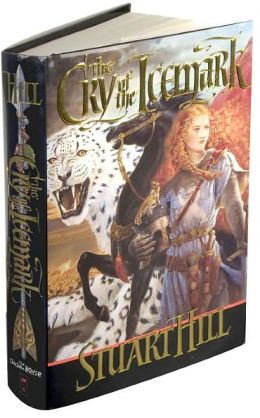 Title: The Cry of the Icemark
Author: Stuart Hill
Publisher: The Chicken House
Genre: Fantasy/ Adventure
Length: 472 pages
For me, this book had a lot of promise, a great story, and not quite as much follow through in the delivery. It’s good, I would recommend it to 12-15 year old girls who love fantasy, but I kept falling asleep.
I honestly believe it is something I would have devoured in the back seat of my parents’ van on vacation had I gotten a hold of it at age 12, I would have craved more and collected the series. But my 29 year old mommy-self felt disconnected from the story and, frankly, was made tired by it. Where Susanne Collins reminded me of my younger girlish desires and dreams, and plopped me right down in the middle of a fantasy I could get lost in, with The Hunger Games – Stuart Hill and I kept playing an awkward dance of “This is awesome and now I shall remind you that you aren’t Thirrin, you’re just reading…” Mostly, I think in the internal dialogue. The characters would start telling me what they were thinking too often and it threw me off. A healthy reminder not to do that in my own writing, because I think it is something I might be guilty of. I would rather decipher a character on my own, thanks. Remembering my 12 year old brain, however, I wonder if this would have bothered me then… would I even have noticed it?
I hoped to include the girls’ reaction to this book before I posted it. But alas, on the third Thursday of the month at 6:30 pm, I was sitting at the table all alone. I wonder if they lost interest in the club they just started, or if some miscommunication in days occurred. We shall see next month. Either way, I AM glad I took time out of my life to read this, even if it wasn’t my favorite.
Happy Fourth of July

The Half Price Books Humble book club read John Adams by David McCullough this month. We discussed it together Monday night, even though I had only read the first 400 pages. The best thing about holidays, for me, though is their ability to mandate what gets read off the TBR pile next. So this week, as I researched for book club, lounged with family, watched fireworks, and read to the kiddo… this is what freedom looked like:
 Title: John Adams
Author: David McCullough
Genre: History
Publisher: Simon & Schuster
Length: 751 pages
1001 and one things to discuss about this book, and we mostly got caught up in the assessment of the character of John Adams. Was he an ambitious man willing to run off from the family and farm at a moments notice to pursue more exciting ventures of fame? Or, was he a great man of virtue who was gifted with the sight of the big picture, willing to sacrifice personal happiness for the greater good of the establishment of our country? Before reading the book, considering my skepticism regarding ALL politicians, I probably would have said the former. But McCullough has me convinced it was the latter that held true.
Of course, I am biased, mostly by the sheer fact that Adams was a great reader. Nothing romanticizes a person more to me than their love for a good book, for the art of research, and for a passion for knowledge and action. Several times throughout the biography, Adams is quoted saying such excellent things as,
“I must judge for myself, but how can any man judge, unless his mind has been opened by reading.”
Where others in the group found him willing to cast aside his wife and children for politics, I found him endearing. He wrote to his wife avidly. He and Abigail would often refer to each other as ‘dearest friend,’ and their relationship seemed to be what kept him grounded and successful. In addition to that, it also seemed that any chance he had to take his children with him, he did. Off sailing across the pond to Europe, the boys equipped with an educated father and a personal tutor, they got first hand experience seeing how nations make peace and build relationships. Sure, Adams renounced his son Charles later in life and that relationship was never rebuilt before Charles’ death, but in my opinion Charles did not deserve anymore second chances. Charles, the favorite as a child, turned out to be the bad seed in the bunch – possibly spoiled by being the favorite to so many – as he turned to alcoholism and abandoned his family. It was John and Abigail who raised his children and looked after his wife, leaving their own son to his own devices as they tried to do right by all his mistakes.
John Adams was quite the fascinating man, one I have, until now, always overlooked in history. Having shared a birthday with George Washington my whole life, he always got my ‘favorite’ vote as a child. As an adult, the Alexander Hamilton vs. Aaoron Burr phenomena fascinated me – mostly driven by that infamous ‘Got Milk’ ad as well as Joseph Ellis’ riveting storytelling in Founding Brothers
With all this important political talk, I found it necessary to re-read the Declaration. With toddler in tow for nearly all my reading ventures, it’s important to find kid friendly things to read alongside all my own reading. That’s where Sam Fink comes in handy…
 Title: The Declaration of Independence
Illustrated & Inscribed: Sam Fink
Publisher: Scholastic Nonfiction
Length: 160 pages (but only takes about 15 minutes to read aloud)
I absolutely adore this copy of the Declaration of Independence. As a homeschool mom, I love creating my own curriculum and finding unique ways to share information with my kid. Kiddos everywhere, whether homeschooled or public schooled, should find this a fun way to absorb the meaning behind the declaration and be introduced to the ideas of why it was so important for it to be made and signed.
With large print, clear illustrations, and political cartoons to accompany nearly every sentence – if not sentence fragment – Fink helps walk a kid (and even some adults) through every nuance of our founding fathers’ meaning and intention. If read often enough, you may find you have a kid who has memorized the declaration long before they are ever asked to do so for school purposes. This is just a good old fashioned fun picture book that just so happens to also be an important document to our country’s history. Sam Fink is pretty awesome and I am so glad he tackled this project.
In addition to all that,
 Title: George III
Author: Christopher Hibbert
I’ve been plucking through a biography of King George III for awhile now. It’s been loitering on my TBR pile and periodically I get the bug to read a chapter or two.
I am no where near finished reading this book, Hibbert is very detailed but also very dry as a biographer, but I find it a handy reference and do look forward to the times that I decide to sit down with it.
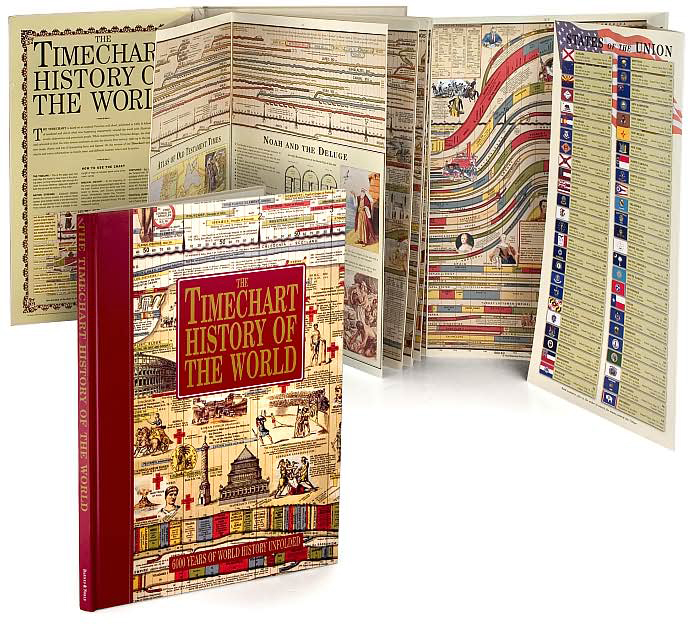
I like having large sweeping views of history as well as the tiny details. Reading through John Adams and peeking here and there at George III this week, I was grateful to have already tackled Napoleon’s Wars recently. It helped me keep straight in my mind what was happening with the French while a few of the Adamses friends were busy getting beheaded. Another handy tool for both children and adults while reading through history is The Time Chart of History of the World
Rules, Rules, Rules… are there for a reason.
 Title: The Princess Bride
Author: William Goldman
Length: 255 pages
People give me crap about it all the time, especially my fellow book clubbers: I won’t watch movies unless I’ve read the book first. There is a reason I keep this rule. A very BIG reason…
It has to do with my brain.
 The Princess Bride reminded me why I try so hard to keep this rule, as I’ve seen the movie thousands of times, but find myself now slowly plodding through the book for what may be either the first or second time – I cannot remember.
And the characters on the pages of the book and the ones so steadfastly lodged in my brain from the movie are at constant war with each other. Robin Wright Penn viciously competing for equal stage time with The Bride of Goldman’s original imagination. Summoning up a girl who won’t bathe is extremely difficult when you have the movie raging in full sound, color, and all manners of vivid presentation in your brain. The Sicilian doesn’t quite look like the Sicilian, close but not quite… the Giant doesn’t quite look like the Andre the Giant. My image of Westley is slightly skewed. And Mandy Pantinkin and Inigo Montoya don’t quite jive the way they should, even though I wouldn’t cast Inigo Montoya by anyone but Mandy Pantinkin in a million years.
 The movie is flawless and the book is good. But for whatever reason, my brain can make the transition from this is how I imagined it to this is what made it to screen much more smoothly than this is the screen presentation, yet you may imagine it differently.
I keep these rules of book first and movie later with good reason and I do not like my system to be tampered with! Sometimes, though, it cannot be helped. Things like The Princess Bride get introduced to me long before I know it is a book, sadly enough.
So, no, I am not enjoying The Princess Bride, even though it is a great book. I am not enjoying it because I cannot get into it. I cannot get into because the characters are at war with their movie selves… and I keep hearing the voices of Fred Savage and Peter Falk at inappropriate times. My brain likes order, and this has gone against the order of things.

Half Price Books Humble will be discussing this in the store Monday night (June 3rd, 2013) at 7:30 pm. Come join us and add your two cents.
May 2013 Events
At Half Price Books Humble

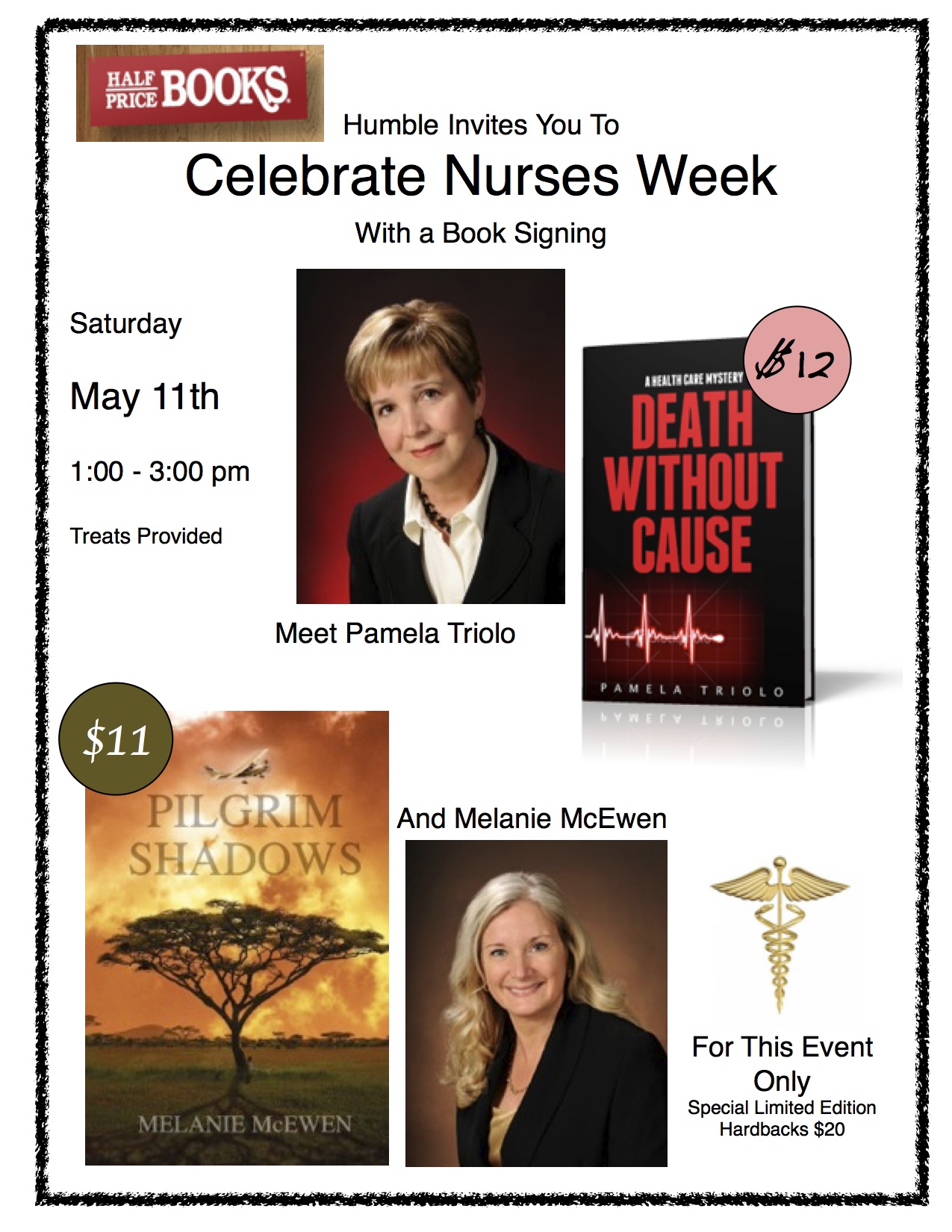
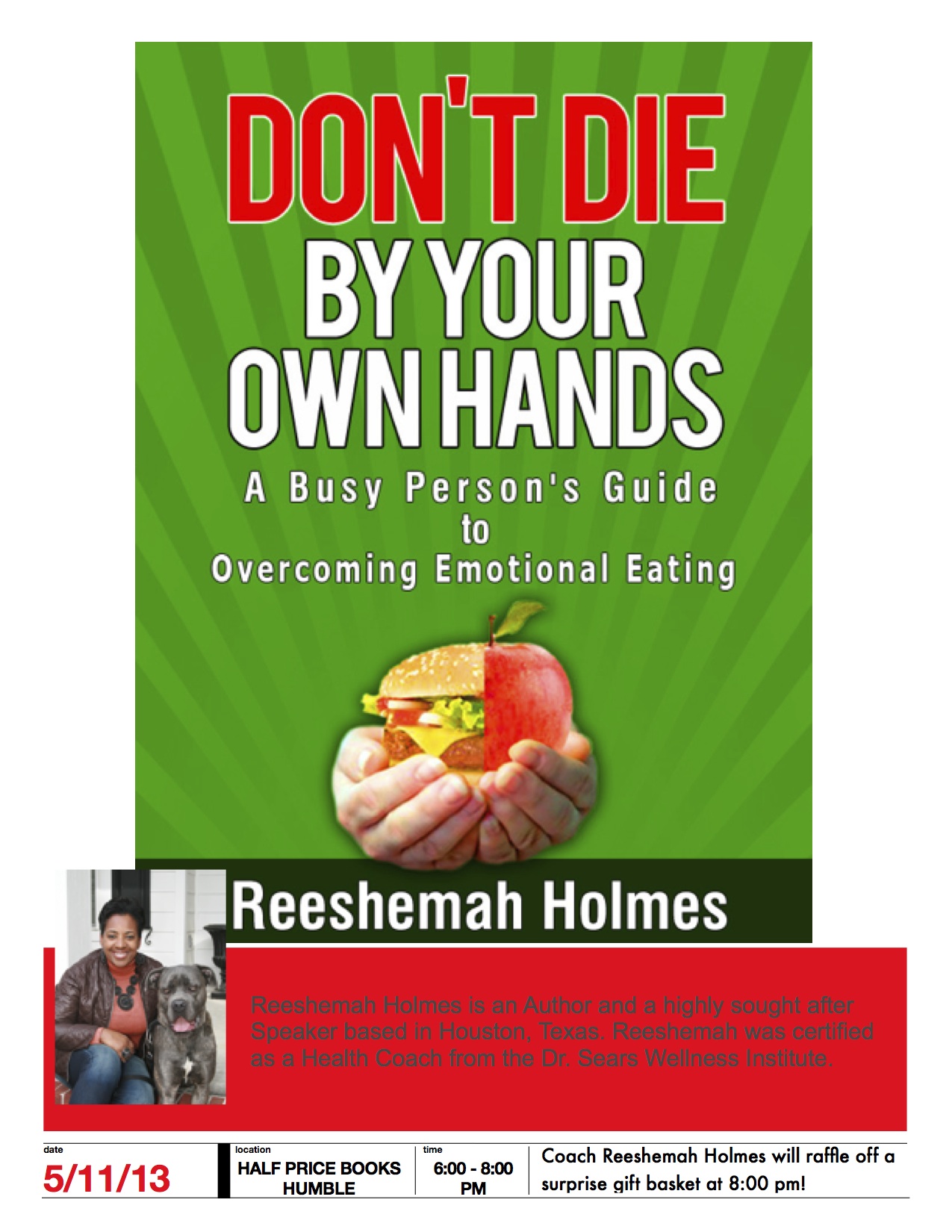
Don’t forget, we also do Book Club on the first Monday of the month, Poetry Night on the first Thursday of the month, and Journaling on the second Thursday of the month.
April 2013 Events
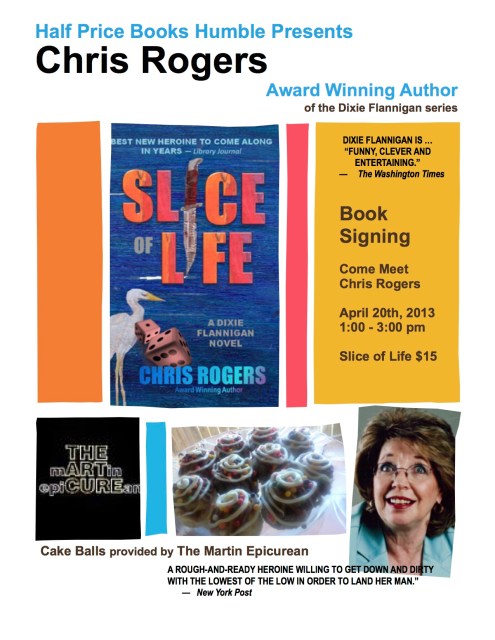
In addition to Book Club (first Monday of the Month) and Poetry Night (first Thursday of the Month), this is what’s going on at Half Price Books Humble in April. Keep checking back, there may be more to come!




Economic Education

Lords of Finance Discussion Part One (I am writing this only 150 pages into a 508 page book. I anticipate a series of reviews, much like how I handled Les Miserables in 2012, except over a short amount of time. I will have the book completed no later than March 4th, 2013)
Title: Lords of Finance: The Bankers Who Broke the World
Author: Liaquat Ahamed
Publisher: Penguin
Genre: Economics/ History
Length: 508 pages
Inevitably I read something and find about ten more things I need to read. My constant lament on this blog is why we didn’t read more source documents in school. So is it any wonder at all that while reading Lords of Finance for the HPB Humble Book Club I discover that I absolutely must have a copy of The Economic Consequences of the Peace
In addition to that title, I find myself longing to dive into more history books on the time period as well as full length biographies on a few of the people mentioned. You wouldn’t expect that kind of revelation out of reading a finance book, but Ahamed has a way of turning a phrase that makes interest and exchange rates, and the people directly responsible for their flux, fascinating.
I think this would be a great title to hand to a high school student during an economics course, it would definitely make the class more interesting. I enjoyed my economics classes in college, taught by a clever little man with a wonderful accent (Scotland? Liverpool? Not sure) and had a great sense of humor despite teaching all his courses at eight o’clock in the morning. But what I remember of high school economics was pretty cold and void of any kind of spunk. It was filled with boring formulas, worksheets, and a fairly heavy textbook that we read very little of. Obviously, the formulas are handy and important, but couldn’t there have been a little more meat? A little more perspective? A little more history?
Maybe living in a recession has weighed heavily in how I view the dollar, but I would like my child to grow to understand how much the economy effects politics, social customs, humanity, and art.
Idolizing money is a concern and a problem, but seeing how money fits into our lives and the bigger picture is important. So often we are taught that money is separate and that we should keep it that way, but the truth is money is never separate. Our history is riddled with money driven politics, so why is our history class and our economics class separate? Our religions are filled with instructions on what to do with our money, our philosophies rooted in our thoughts on whether to live richly or poorly and how rich and poor are defined. I think the history of banks, the dollar, and what your views are on the matter should all be addressed while you are learning how to calculate it, not as a completely separate train of thought.
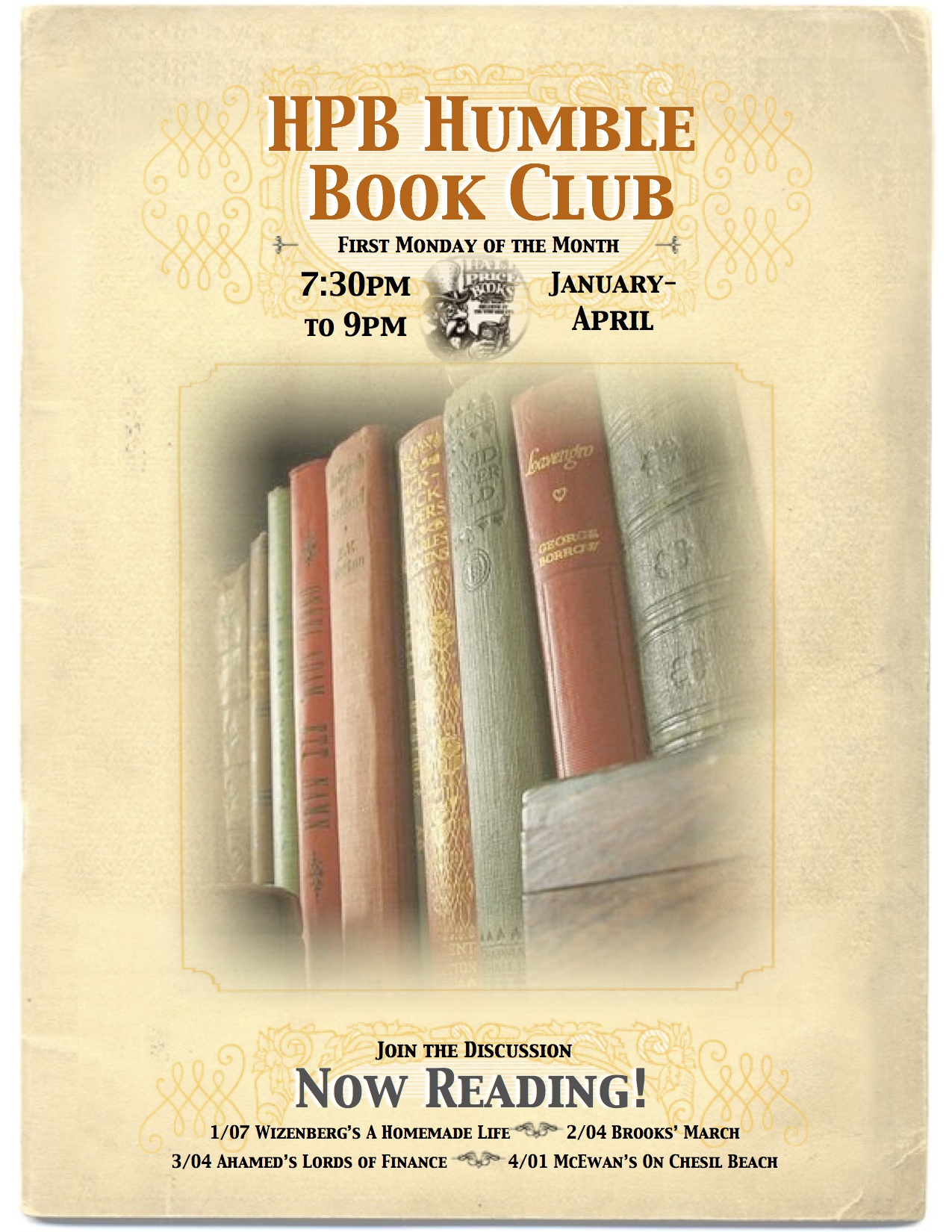 Ahamed’s Lords of Finance was recommended to me by a customer at Half Price Books, it was actually chosen for the Humble location’s book club by that same customer, and I am so glad I took his advice. We will be discussing the book as a group March 4th, 2013, starting at 7:30 pm. Additional members are welcome, so if you are interested in the book and are in the area, please join us. Treats are provided.
So far, the book is enlightening and informative, it covers a lot of the banking information provided in the documentary Zeitgeist without the haze of conspiracy theories and blasphemy. I imagine we will have a lot to discuss when we meet. Until then, I plan to share my own thoughts here.
Other titles in my personal Economic Library:
Adam Smith’s The Wealth of Nations
Thorstein Veblen’s Conspicuous Consumption
Craig Karmin’s The Biography of the Dollar
Thomas Stanley’s The Millionaire Next Door
Please share any titles you think should be added from a historical, philosophical, or sheer financial perspective.
Old Curiosity Shop – A Curious Book
 Title: The Old Curiosity Shop
Author: Charles Dickens
Length: The Reader’s Digest version is 523 pages
Chosen for the Half Price Books Humble Book Club for the December discussion to get in the spirit of winter without the over kill of A Christmas Carol, I was incredibly excited about finally getting to this particular Dickens title. Unfortunately, it didn’t live up to my great expectations (pun intended) and failed to become my new favorite Dickens, Nicholas Nickleby
With a villainous dwarf, a troupe of dancing dogs, and then some, The Old Curiosity Shop was less about a cozy antique shop (which is what I wanted) and more of a Don Quixote style adventure occurs within a Les Miserables themed tale of woes for an old man/ young girl runaway team. Spectacular! Spectacular! from The Moulin Rouge comes to mind: bright colors, forced marriages, evil characters who resemble carnies… it was a bit much for me, but allegorical novels usually are.
Nell was too perfect and met too tragic an end. Quilp was too disturbing, too evil. Who makes their wife stand in a corner all night and not move for the sheer pleasure of mental torment? Not to mention, he’s a dwarf! Give him a good, hard kick and go on your merry way if he’s evil!
 Despite my lack of love for this novel, I think it a great selection for a book club. There was so much to talk about, so many things worth speculating. First, the merits of reading it as it was initially released, which was in serial. I think reading Dickens’ work in weekly installments instead of all at once as a novel brings back a level of magic to his stories that was lost after they were printed and bound in one volume. Second, at the book club meeting, we had a lengthy discussion of the use of names and archetypes. Third, the ties to Master Humphrey’s Clock, Dickens’ Wife’s Sister, and a number of other seemingly random connections that bring new light to the book.
The most interesting to me currently is that of Master Humphrey’s Clock, because I own the book and have not yet read it. Master Humphrey’s Clock was a periodical of short stories about the ‘curiosity shop’ I actually wanted to read about when I began the story of Little Nell. Master Humphrey is actually the narrator of the first few chapters of The Old Curiosity Shop and then steps out of the picture.
There aren’t many members in our little book club at Half Price Books, and it seems to be on the verge of becoming a gentleman’s [book] club run by a non-gentleman [I’m a lady], but the meetings are open to anyone and everyone the first Monday on the Month at 8 pm. Snacks are provided and the book discussions so far have been pretty awesome. Up for discussion in January is Molly Wizenberg’s A Homemade Life






 Anakalian Whims