Pythagoras, History , Music, and Reality
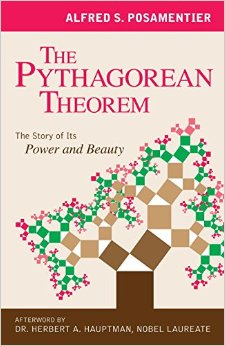 Title: Pythagorean Theorem
Author: Alfred S. Posamentier
Genre: Mathematic History
Publisher: Prometheus Books
Length: 320 pages
I’m not sure why I picked it up. I didn’t even particularly care for math in school. Geometry was not my strongest suit – but it was fairly easy math that I slithered through with the least possible amount of effort of any of my math courses. But I was at the library one day and this geometric tree design was staring at me – I’d been collecting everything I could on trees because I am determined to become a certified arborist by the time I turn 40 – and upon impulse I through it in my “shopping” bag.
It might have been because I saw that it was about the Pythagorean theorem, and just a few years ago I attended a MENSA meeting where Andy Tang spoke on the topic. The lecture was riveting, the discussion entertaining, and the wine pretty great for free stuff. The event coordinator in me wanted to host his art exhibit at one of the bookstores I work with. This didn’t happen, but there was such an exhibit led by him in Austin:
The community art exhibition “Pythagoras (and Austinites) Discovering the Musical Intervals” invites you to discover the story of what Pythagoras heard at the blacksmiths’ workshop. Continuing the tradition of passing down this ancient tale, this art show showcases Austin-area artwork through interactive, musical, and visual interpretations. (https://www.facebook.com/events/308042019293116/)
Whatever it was that possessed me, I picked up the book. I read the book. I enjoyed the book – a lot. More than I could have thought I would enjoy a math book.
Although, let’s be honest, I enjoyed it for the philosophy and history, not so much for the endless diagrams and presentations on how the theorem works. Yeah, yeah, yeah, I took that math class, I get it, and it’s cool, but I was really into the book for the tidbits about Fibonacci and then later, Bosman. Bosman, by the way, is the guy that came up with the Pythagorean tree featured on the front cover.
I read this book for the whole chapter on music – that ties into that Andy Tang lecture I loved so much. I read this book because I was a “Choir Queer” in high school and loved chamber music and found it completely fascinating how much math and music were so intertwined. And of course, any one who does math and attempts music theory ends up asking the same questions:
“[…] do we simiply measure the distances between pitches or do we seek some measurable property of the pitches themselves that allows us to determine their relationships to other pitches […]”
Pythagoras had an answer. And he’s an old, dead dude, and I love reading ancient history and things on or by old, dead dudes. Except, naturally, Pythagoras was a top secret kind of guy and left no writings of his own behind and everything we know about him is second hand at best.)
Which leaves me diving into Philolaus, Plato, and Aristotle, and itching to get into Xenophon and see if anything is mentioned there because Herodotus didn’t spend nearly enough time on him.
I read this book thinking about Alyssa Martin’s Pythagoras cake bust. She owns The Martin Epicurean – and cake that looks like a face – how cool is that?
I read this book because I will pretty much read anything, but especially because I love science more than my student transcripts could possibly portray – mostly because I avoided science courses like the plague. I like the philosophies of science and concepts… I don’t care for the formulas and the math, but I’ll learn them ok if there isn’t any testing. Oh God, my test taking anxiety is insane… but reading up on it all, I love that. After all, it suits my passions:
“Science is the discipline that attempts to describe the reality of the world around us, including the nature of living organisms, by rational means.” – Dr. Herbert A. Hauptman, Nobel Laureate
This one is a keeper. I checked it out from the library, but I plan to purchase it when it comes time for kiddo to read it. It’s an educational must-have.
Abuse, Affairs, and Amateurs
Usually if I don’t finish a book, I don’t review it. If I don’t finish it, am I truly the most qualified person to throw opinions on it around to the public.
I’m not talking about books that you CAN’T finish because they are too awful. I’m talking about the ones that I start, I sorta enjoy, and then I simply abandon to read something else – or, I decide that even though it’s interesting, it’s not quite interesting eno ugh. Or, I just get bored with the topic halfway through.
I used to not be this way. I used to barrel through. I used to treat a book like a ship, me its Captain, and come hell or high water I would make it to its end – together. This practice became cause for some dark moods and much wasted reading time.
I picked up Wedlock when I took a sabbatical from my family (sort of) to work full time in the bookstore for a few months. I saw it on the shelf as I was running history and thought, this looks interesting, and I loved Georgiana, Duchess of Devonshire. I thought this one would be similar. And it was. But it wasn’t.
Although the life of Mary Eleanor Bowes is one for the history books, and she was an incredible closet botanist for her time, I found that reading about her life, unfortunately, felt more like reading about Kim Kardashian or Brittany Spears than, say, reading about Marie Curie. The heiress was often in the social limelight, easily wooed by absurd men, and seemed to spend her life being abused by the system. This is to no fault of the biographer, but to the fault of society and the fact that, although intellectuals will complain how enraptured we are as a modern society by celebrities and trashy magazines – the reality is that s ociety hasn’t changed all that much over the last few hundred years.
Moore’s book includes reports worthy of People magazine and Star. Elite gossip regarding who has married whom, how much money so-and-so is in debt, affairs, bastard children… If these things excite you, this book is for you. It just made me tired. It made me very tired, indeed.
So I gave it up. I was halfway through, and I pulled my bookmark and re-shelved it.
I’d love to do a full on study of her botany research. I’d love to visit museums dedicated to her pursuits outside of her abusive marriage. (Alas, I must be content to surfing the internet for now, visiting other bloggers’ reports) I wish I could see her experimental hothouses where she grew exotic plants. But it seems we are mostly to be doomed to read about her trials of being swayed by sociopaths and used for her money. That’s what makes sensational stories, after all, both now and then.
Most people will hear or read her story and say, “Aren’t we lucky that post suffrage, women now will not suffer like this!” But I don’t feel that way. Women will suffer like this as long as they behave like idiots, as long as they swoon over a seemingly kind word, as long as they can’t keep their panties up. I found myself feeling less sympathetic for Mary’s plight and more and more annoyed that she seemed to just dig her hole deeper and deeper. The simplest version of events, boiled down to all the ways she was victimized can be found here: http://historyandotherthoughts.blogspot.com/2013/03/mary-eleanor-bowes.html. Beating and torturing your wife is never ok. Treating any human the way Stoney treated Mary is completely unacceptable. I’m not saying that these things in her life were not awful. I’m just saying there is much she could have done to avoid additional pain, even in that era.
Although I agree with the commentator below in many ways, it pained me to see – centuries later – Mary’s missteps, all the things she could have done to avoid such a terrible life.
marmeladecatOctober 10, 2011 at 5:38 AMI have just finished reading Wendy Moore’s fantastic “Wedlock”, an account of Mary Eleanor Bowes’ life, in particular, her disastrous marriage to Stoney. What a woman, not only did she survive incredible domestic abuse and terror at the hands of her second husband, who tricked her into marrying him, but also had to suffer the heartbreak of losing her older children because of the dictates of the Georgian society of the time. Yet Mary Eleanor’s spirit was not crushed and eventually she managed to escape Stoney’s clutches and obtain just retribution for all his wrongdoings through the courts. The biography reads like a novel, I have never read a historical account so quickly. I can only recommend it.
I didn’t make it to the triumphs. I didn’t make it to the courts. I was still plodding through the terrible ache of lost children, another affair gone wrong with poor Mary not finding true love with her sexual partner yet again. Tip: Keep your dress on, dear. Don’t “fall in love” so quickly, and if you do, practice some propriety. Knowing that bastards very rarely stay with their mothers, why risk having them? I’m not talking about abortion, that to me is also unacceptable. I’m talking about keeping a marriage bed pure – even if you’ve fled from your psychotic husband, shacking up with someone else isn’t going to make everything right, it just makes it all a little bit worse.
Has anyone else studied the life of Mary Eleanor Bowes? What are your thoughts. What do you suppose she was like aside from the tabloids and history books? What would you say to her? What would you ask her?
I’m filing this one away with Anna Karenina.
Teaching Life and Liberty
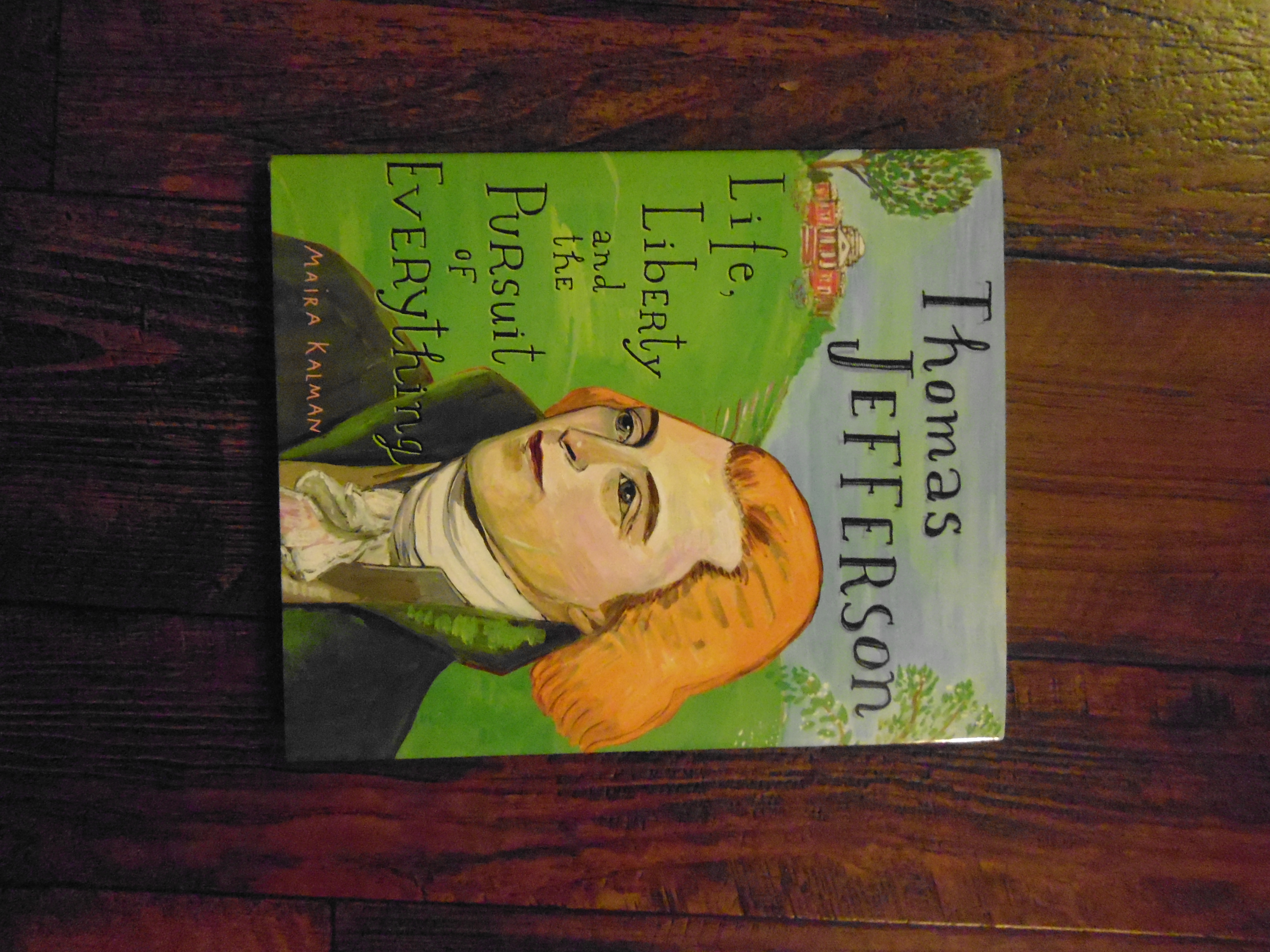 Title: Thomas Jefferson
Author/Illustrator: Maira Kalman
Publisher: Penguin
If you want to teach about the founders of America via biographical picture books, Maira Kalman is a great place to start. With spunky pictures and fonts, Kalman introduces children to Jefferson (and in another book she tackles Lincoln), his love for books, language, and gardening.
Kids can discover in Thomas Jefferson quirky details about how Jefferson got out of bed in the morning, his obsession for peas, and learn the quote he told his wife:
“Determine never to be idle. No person will have occasion to complain of the want of time who never loses any.”
There’s a few pages dedicated to Jefferson’s friends: John Adam, Benjamin Franklin, and George Washington, and the ideals the team struggled for.
Kalman doesn’t pull any punches. She talks about slavery and addresses the truth of Sally Hemings. Jefferson had so many wise quotes that adults praise and sharing them with a four year old is especially wise:
“When you are angry, count TEN before you speak; if very angry, to ONE HUNDRED.”
The book ends with a visit to his burial grounds and notes regarding his epitaph.
As a whole it’s lovely and educational. When I told kiddo I was finally posting the review and asked her what she wanted to say about it, she said, “I think we should read it again.”
President’s Day is fast approaching. This one is worth having in your hands on that day.
Chinese History at Lunch
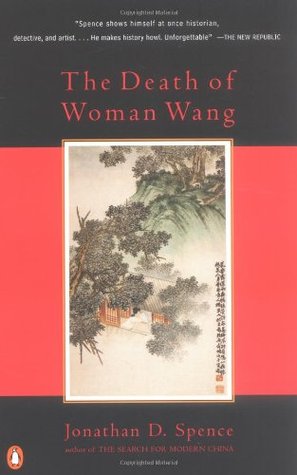 Title:The Death of Woman Wang
Author: Jonathan D. Spence
Genre: History
When picking up books at bookstores, there’s always the lovely predicament of what to do during lunch hour. As if any bookworm wouldn’t know what to do during lunch. I like to pluck books that I would otherwise not read, things that probably wouldn’t make the cut when selecting reading material at home, but are intriguing nonetheless.
Chinese history and social commentary via anecdotes and tales from a specific region are fit the bill exactly.
Though Jonathan D. Spence’s The Death of Woman Wang is fairly short, and probably something I’d be able to get through over two cups of coffee at home, at work – with the distractions of barbecue sauce, walking (because I must always do a bit of walking), and a number of other lunch break occurrences – it took me a number of weeks to get through it. (I only work on Saturdays, mind you.)
I have decided that even though I’m not keeping The Death of Woman Wang (I’m in purge mode and not keeping as many books as I have been inclined to in the past), I will read more of Spence’s work in the future. Treason By the Book looks especially fascinating.
[Unrelated note to the book review: I just googled his name to see what else there might be and stumbled across his face. He’s endearingly handsome for an old fellow.]
Spence is a British-born Chinese historian (what an interesting description for a person). He retired from Yale in 2008 – my childhood bestie attended Yale from 2002-2006, I wonder if she ever met him…
He has a warm way of relaying history. He tells stories in a fashion that you’d think perhaps you were sitting around a fire listening to a beloved professor while on some sort of educational retreat. He manages to do this without feeling novelized or ill researched.
I’ve been enjoying my Chinese History lunches, and I’m a little sad that they’re over.
An Eco Never Fails to Resonate
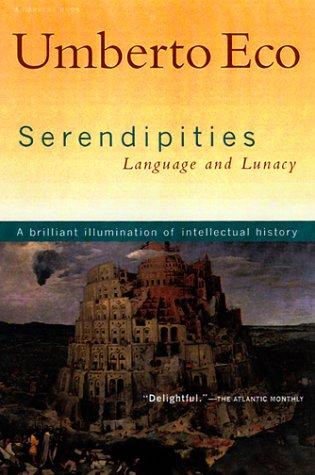 Title: Serendipities
Author: Umberto Eco
Eco never fails me. Except once… I didn’t care for Baudolino. But even after that epic let down, the work stayed with me – if only to prove that even a genius can manage to disappoint from time to time, because reading is a two way street.
The author must deliver, but the reader must be receptive.
Sometimes capturing the magic of that relationship is consistent, sometimes it isn’t…
Nevertheless, Eco never fails to resonate. I remember his name always. His words always mean something. His thoughts and opinions are ones I value and take into great consideration. He moves me.
He speaks of language and sounds, ideas that arbitrary and ones that are not. He writes about the things that speak to my soul every time. Eco and I, though of course he doesn’t know it, have a trust relationship. I trust him to deliver something that will mean something to me, and I suppose that he trusts that what he has to say needs to be said – what he writes is meant to be written.
Authors and books have a way of being there when you need them most. That comfort stays with me always.
A Resolute Club

As much a book review as a book club assessment.
Title: Resolute
Author: Martin W. Sandler
Genre: History / True Adventure
Length: 320 pages
Put a seafaring image on the front cover, talk of adventure and exploration, make reference to ghosts… I’m sold.
We read Sandler’s “epic search for the Northwest Passage” for the Half Price Books Humble Book Club and discussed it the first Monday of December.
It’s an exciting read, I enjoyed it quite a bit, and I’ll be holding onto my hardback copy for years to come. I’d love to see this made into a film, as it was I found myself re-watching National Treasure: Book of Secrets just for the Resolute references I was craving post reading.
Although this is largely about the Arctic and the British, a good chunk of our discussion at book club revolved around arrogance and fictional characters we’ve read through out this year:
One comparison would be the personal pride exhibited by the people across all 3 books [A Tree Grows in Brooklyn, A Question of Upbringing, and Resolute].
For example in ‘A Tree Grows in Brooklyn’, on the 3rd page of chapter 38 Evy says: “Well, there’s always the Catholic Charities”. To which Katie replied “When the time comes that we have to take charity baskets, I’ll plug up the doors and windows and wait until the children are sound asleep and then turn on every gas jet in the house.”
In Resolute, the British Naval captains were too arrogant to ask the Inuits how to survive in a place they have never been.
And the title ‘A Question of Upbringing’ speaks for itself.
– Glenn Ray
We carry much of our discussions over into later months and often end up talking about books we love repeatedly. There aren’t many of us. Two in person on the regular, one by phone on the regular, and various stragglers that pop in periodically (3 recurring stragglers, to be exact). But we enjoy our talks thoroughly and are always hopeful of new members.
Like the worldwide search for John Franklin, our little club keeps on keeping on.
Here’s our dated roster, what we’ve read and what we plan to read:
Mon 12/3/2012 ‘Old Curiosity Shop’ by Charles Dickens
Mon 1/7/2013 ‘A Homemade Life’ by Wizenberg; and ‘Julie and Julia’ by Julie Powell
Mon 2/4/2013 ‘March’ by Geraldine Brooks
Mon 3/4/2013 ‘The Lords of Finance’ by Liaquat Ahamed
Mon 4/1/2013 ‘Atonement’ by Ian McEwan
Mon 5/6/2013 ‘The Heart is a Lonely Hunter’ by Carson McCullers
Mon 6/3/2013 ‘Princess Bride’ by William Goldman
Mon 7/1/2013 ‘John Adams’ by McCullough; some also read Abigail Adams by Woody Holton
Mon 8/5/2013 ‘The Color Purple’ by Alice Walker; alternate ‘A Passage to India’ by Forster
Mon 9/2/2013 ‘My Antonia’ by Willa Cather
Mon 10/7/2013 ‘Thomas Jefferson, the Art of Power’ by Jon Meacham
Mon 11/4/2013 ‘Player Piano’ by Kurt Vonnegut
Mon 12/2/2013 ‘The Sparrow’ by Mary Doria Russell
Mon 1/6/2014 ‘The Lacuna’ by Barbara Kingsolver
Mon 2/3/2014 ‘The Bridge Of San Luis Rey’ by Thornton Wilder
Mon 3/3/2014 ‘The Histories’ by Herodotus
Mon 4/7/2014 ‘A Tree Grows in Brooklyn’ by Betty Smith
Mon 5/5/2014 ‘Wings of the Dove’ by Henry James
Mon 6/2/2014 ‘Shadow of the Wind’ by Ruiz
Mon 7/7/2014 ‘Benjamin Franklin’ bio by David Freeman Hawke
Mon 8/4/2014 ‘The 13th Tale’ by Diane Setterfield
Mon 9/1/2014 ‘One Hundred Years of Solitude’ by Gabriel García Márquez
Mon 10/6/2014 ‘Professor and the Madman’ by Simon Winchester
Mon 11/3/2014 ‘A Question of Upbringing’ by Anthony Powell
Mon 12/1/2014 ‘Resolute’ by Martin W. Sandler
COMING UP…
Mon 1/5/2015 ‘The Beekeeper’s Apprentice’ by Laurie R. King
Mon 2/2/2015 ‘The World is Flat’ by Thomas L. Friedman
Mon 3/2/2015 ‘Conspiracy of Paper’ by David Liss
Mon 4/?/2015 ‘Hunger Games’ by Suzanne Collins
I think we’re a pretty well rounded, well read group. If you’d like to join us, we meet at Half Price Books Humble the first Monday of every month at 7:30 pm. Year round. If you want to discuss something we’ve already read, something we’re currently reading, or something else altogether – that’s fine, we’ll chat.
The Mother of all Bryson Books
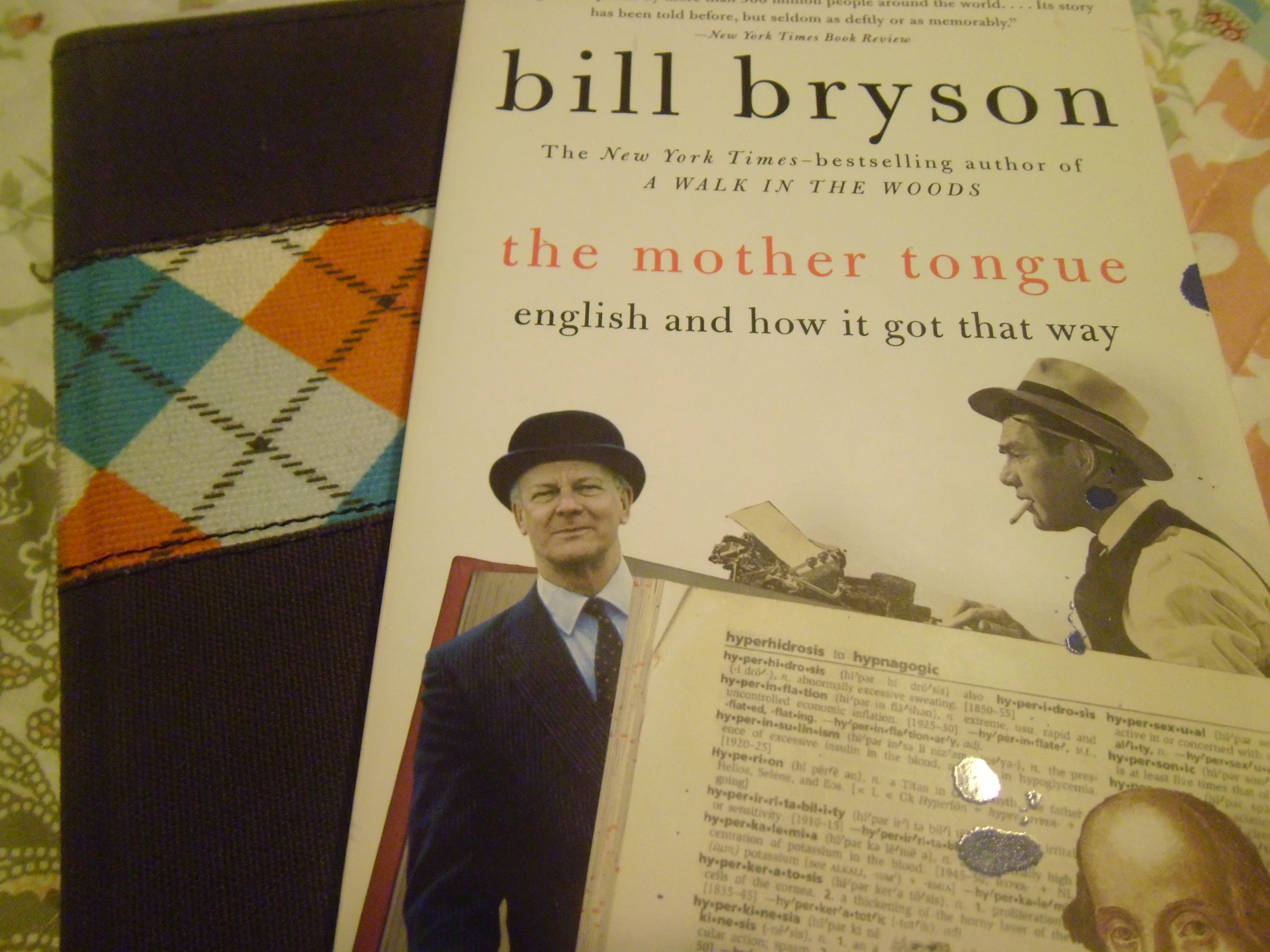 Title: The Mother Tongue
Author: Bill Bryson
Genre: Linguistics
Length: 245 pages
How many times am I going to spend entire reviews singing the praises of Bill Bryson, bowing down to his mage-like powers as a wordsmith? Not often enough.
The Half Price Books Humble Book Club read Simon Winchester’s The Professor and the Madman for our September discussion. GREAT book, but I had already read it. That being the case, I plucked another linguistics title by an author I adore: Bill Bryson’s The Mother Tongue.
As with any typical Bryson piece, the book was well researched, enjoyable to read, and all the information was cleverly shared. Bryson is witty, almost snarky even – but far less snarky in this book than, let’s say, A Walk in the Woods. I take great delight in clever snark. And yes, I just chose to use snarky as a noun…
Although by describing Bryson’s work as snarky makes him sound much more irritable than he truly is. On the contrary, Bryson always seems a bit jovial to me. Sarcastic wit written with a broad smile, and possibly rosy cheeks.
If you love languages, English, history, factoids, dictionaries, evolution of words, or all of the above – The Mother Tongue will keep you fascinated. If you enjoy witticisms, sarcastic commentary, clever jokes, good conversations, intelligent thought, and possibly your college English professor – Bill Bryson is the guy you want telling you all there is to know about “English and How It Got That Way.”
He’ll talk about Latin and Gaelic, the French and German. He will discuss Shakespeare, Chaucer, and the Oxford English Dictionary. There’s a whole chapter dedicated to swearing and the origins of some of our favorite – and not so favorite – expletives. He’ll recite palindromes and tell you all about London Times Crossword Puzzles (which I desperately would like to get my hands on)… Also, if you ever felt bad about your spelling, this book will give you a full history on how it’s not you, it’s English.
I turned the last page and as it always is on the last page of a Bryson book, I’m already scouring the shelves for another Bryson title. Can the others live up to the awesomeness I just read? I’m not so sure.
Adventures of an Independent Bookseller
 Title: The King’s English
Author: Betsy Burton
Publisher: Gibbs Smith
Genre: Books on Books
Length: 302 pages
In 1977, Betsy Burton opened a little independent bookstore in Salt Lake City, Utah. The rest is history, captured elegantly and passionately within the pages of The King’s English, a book named after the store it chronicles.
I love books about books and bookstores. Burton’s passions speak of my own as she details the pleasures of getting the right book into the right hands at the right time. She breaks up chapters with lists upon lists of must haves for people searching specific genres or moods. She tells the tale of a store’s life blood, its employees, customers, and ultimately all the people who have made it the world renown establishment it has become.
The store has been molded by dreams, authors, legal battles, and the patrons who have kept walking through the doors. The book industry, American history, and religious nuances of Utah have shaped what TKE has – through time – chosen to stand and fight for. It’s been a beautiful life, and to this day it continues through politics, economics, and the ever changing publishing practices.
I loved every minute of it, every word, and I’m a little ashamed to say that a few other titles were put on the back burner for this reading whim when they deserved my full attention. The experience has been fulfilling and the store has now been added to my places to visit before I die. Even more fulfilling would be to see one of my own books perched on their shelves, knowing what great care they go into selecting their inventory.
Miraflores
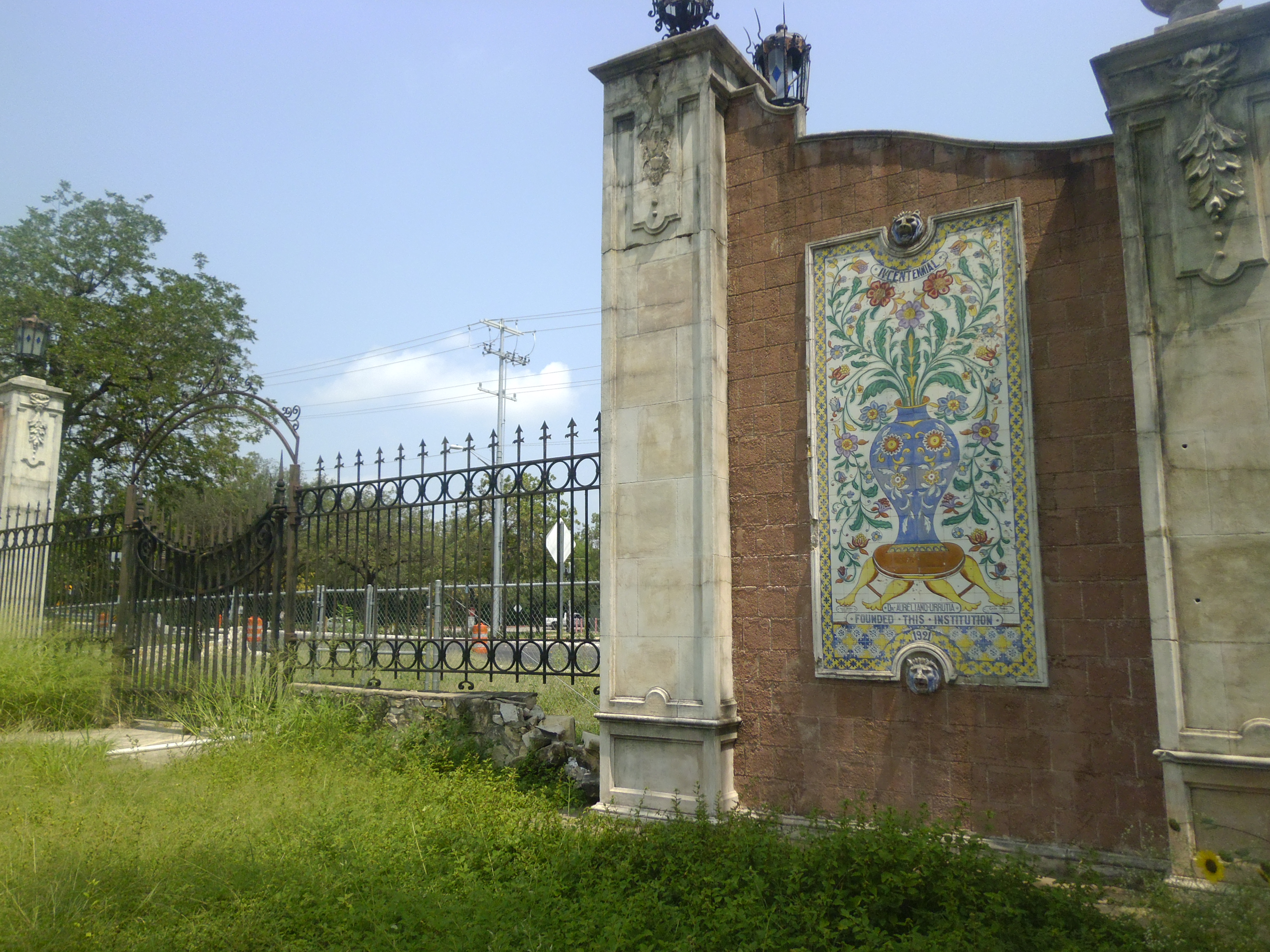
We saw it from the road when we were on our way to a bookstore. It was on the right (off Hildebrand, on our way to Broadway, I think) and I would have missed it behind the construction cones along the road and the gritty chain link National Rent-a-Fence. But the gates loomed, demanding to be seen. The statues looking like mysterious cemetery pieces, but alas, there were no tombstones.
We passed it several times and weren’t actually able to go investigate until our last day there.
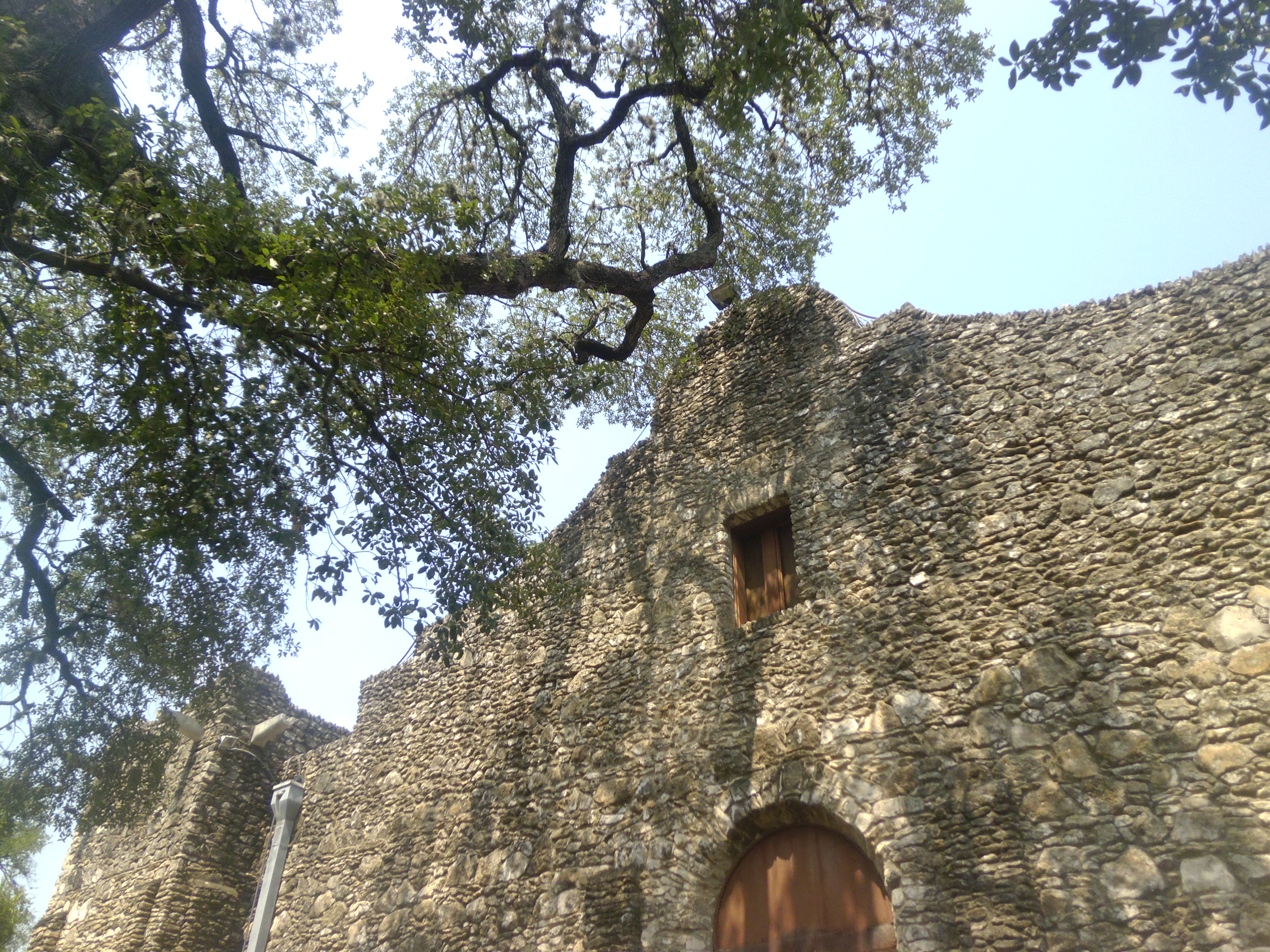 First we stopped at an old Spanish mission (turned greeting center, perhaps?) with a San Antonio Zoo sign perched near the steps. I suppose we were on the backside of the zoo, or maybe it wasn’t even open, but we found ourselves in a beautiful park.
There were families, and ducks, and families of ducks. But ultimately that ‘cemetery’ was calling our names and we had to go see it. We drove back to the main street and lamented the fence. We entered the parking lot to elsewhere and lamented the fence. Then, we saw that the chain link gate was ajar. Left for someone to go in and out for the day? We determined that it must be open by day and locked up at night to keep out the riffraff. So, cameras in hand, we entered Miraflores, not knowing its name, and explored.
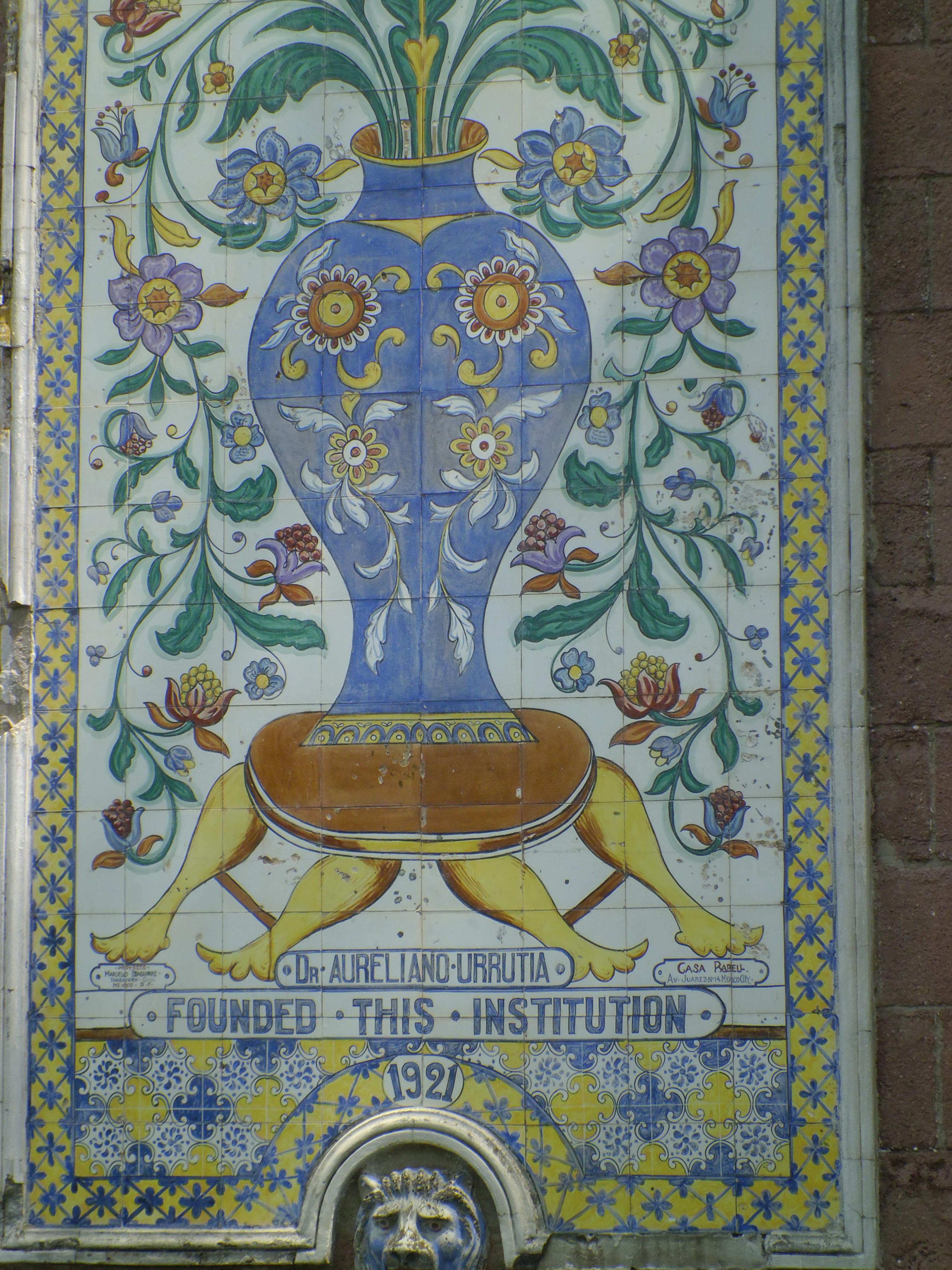
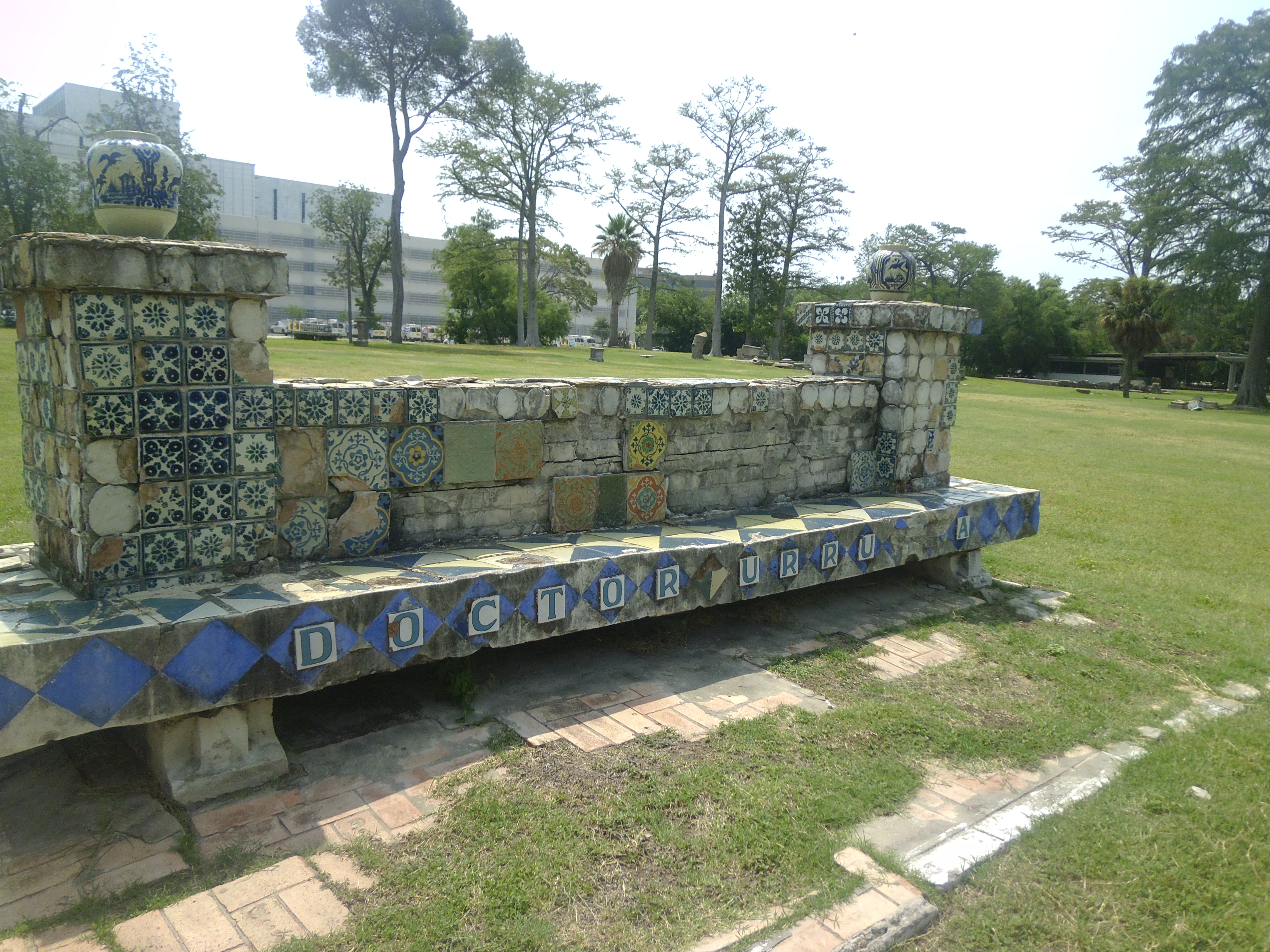 We found the Doctor’s name on several of the tiled benches. To my uninformed eye, there was no way for me to know they were designed by Atlee B Ayres, a famous San Antonio architect. I just knew they were beautiful and that they were made in honor of or for a Doctor, as the letters were mostly chipped away. Later, we would see the name Urrutia on the gates. There, in the mosaics of those grand gates, his name remained intact and I took yet another photograph. I skipped jotting down the information in my journal for the sake of spending that precious time getting more photographs. Even though I thought it was ok to be there, something about the whole experience felt a bit like we had discovered a magic hour of sorts and I didn’t want to waste a moment.
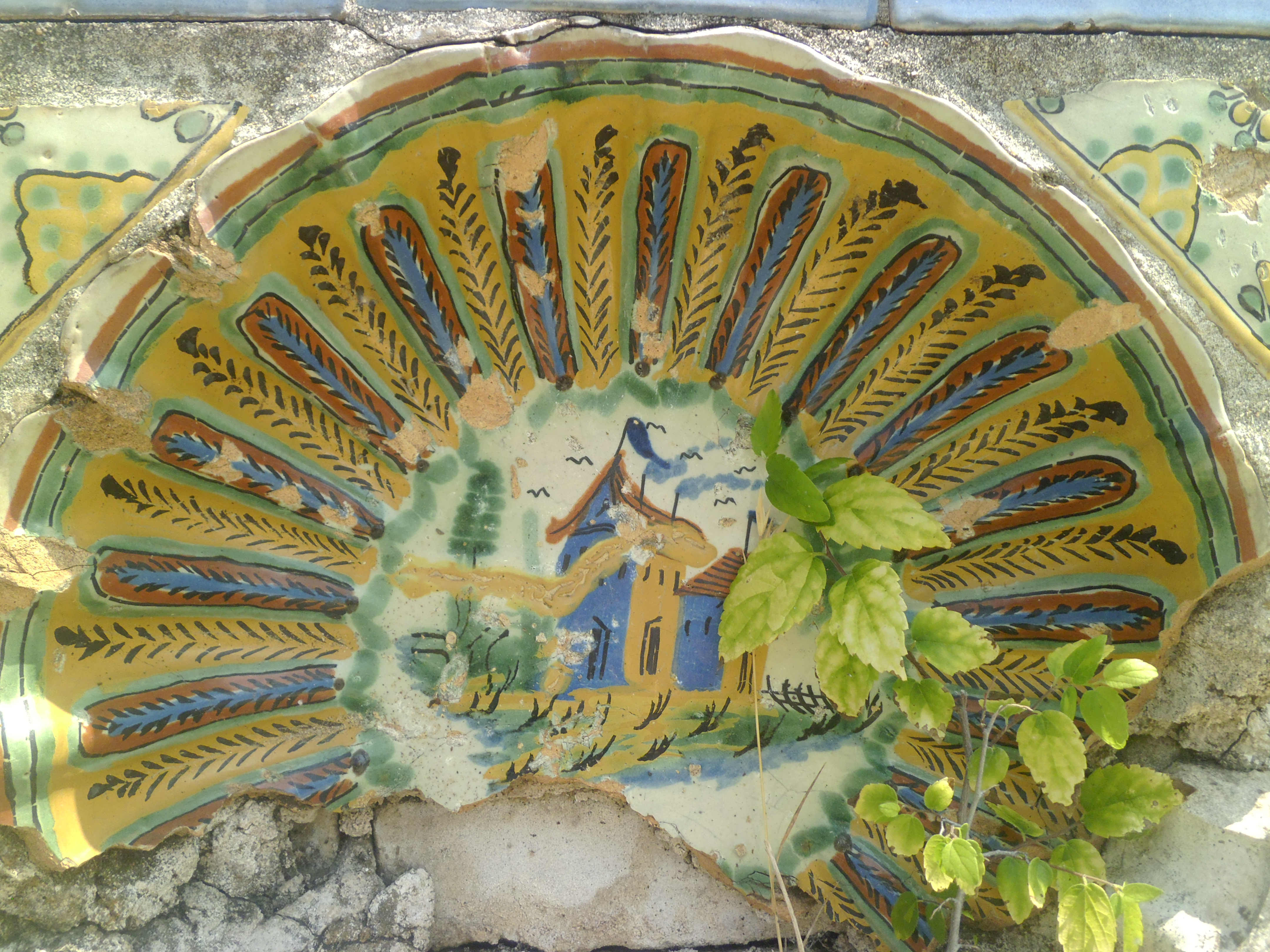 Though, I could spend hours there writing. What I wanted to do more than anything was stay there all day and document every fragmented tile. I longed for a library to access and investigate each piece of art and how it came to be gathered in this statuary field. The gate said the “institute” was founded by Doctor Urrutia in 1921. What institute? Who was Doctor Urrutia? What was the plan for this acreage?
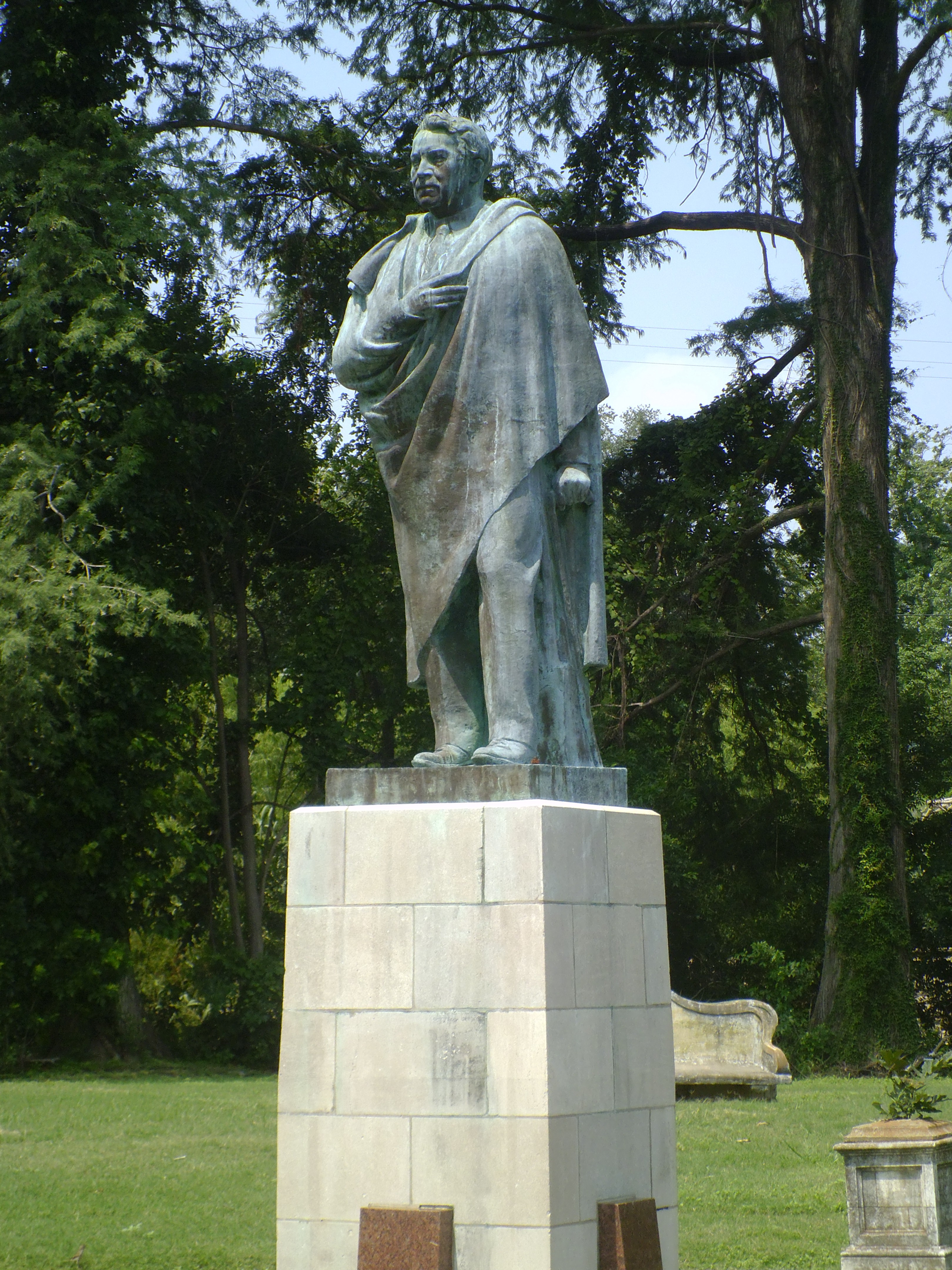 Dr. Urrutia arrived in the States from Mexico in 1915 – as an exile. He was born in the town “of floating gardens” just south of Mexico City and was a full-blooded Aztec Indian. He went to medical school, graduated top of his class, and by the age of 22 was the President’s personal physician. In 1910 Presidente Diaz was replaced by Madero, who was then killed and replaced by Huerta. In all this killing and backstabbing, Huerta had got himself stabbed in the eye, and it was Urrutia who operated on him. Then, according to Walt Lockley, Urrutia functioned a bit like a puppet master for the gangster and helped him run the country.
What happened next is a biography worth reading in itself:
But after dark, Urrutia was also accused of a medical assassination – a federal senator from Chiapas who publicly spoke against Huerta, Belisario Dominguez, was arrested as an enemy of the government, in the Jardin Hotel, on October 7, 1913, then taken to a cemetery, where dark persistent rumor has it that Dr. Urrutia cut out his tongue.
Without anesthetic.
Huerta threw eighty congressmen into prison at one point. Urrutia himself issued an ill-advised ultimatum to the US government, wanting official recognition, and Woodrow Wilson responded with battleships to Veracruz. In the late summer of 1914, as this government fell apart, a lot of the Huertistas and the well-to-do and ex-governors and henchmen drained out through Veracruz. Dr. Urrutia was arrested there by General Frederick Funston and was allowed to exile himself to the US: by ship from Veracruz to New Orleans, train from New Orleans to San Antonio, and two rail cars of treasure smuggled across the border later, to finance his new American life and humanitarian career.
– Walt Lockley
Urrutia died in 1975 at the age of 103, in his sleep, at his grand 15 acre estate in San Antonio. But before that would happen, he would be the first doctor to separate Siamese twins in Texas and he would build something marvelous: Miraflores. And I got to traipse around its remains.
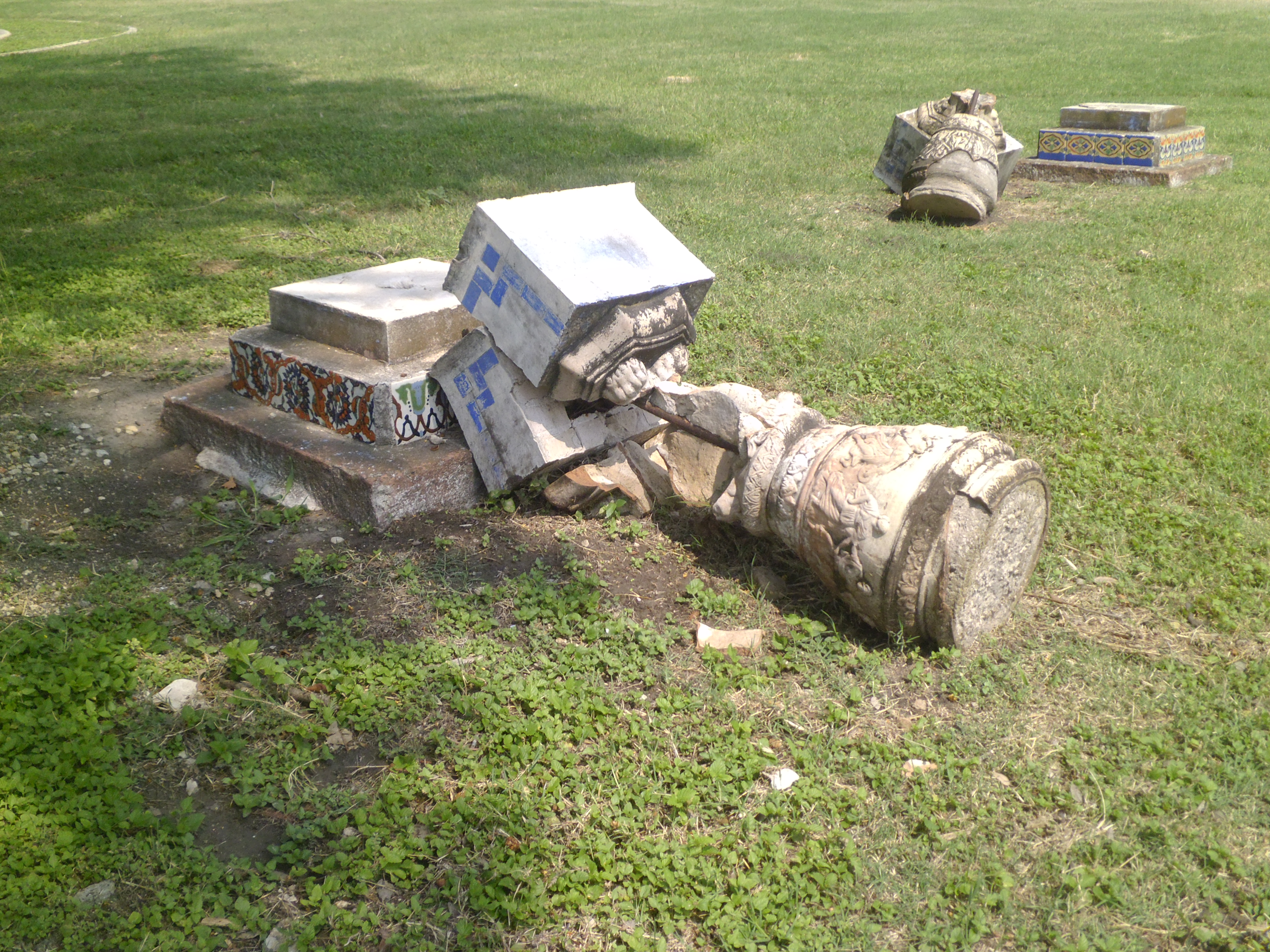 Other artists contributed to this historic monument. According to Capturing Nature
In 2004, the area was added to The National Register of Historic Places, primarily for Rodriguez’s contributions. It is thought that Miraflores contains his earliest work in the states as well as the “most intact and concentrated groupings” of his work. One of those pieces is actually an extremely unique foot bridge in Breckenridge Park that caught our eyes several times.
The blog Urban Spotlight San Antonio describes a plan, in a post dated 2009, that would make the park open to the public. We saw the bridge from Breckenridge Park the post describes, but the public pedestrian walkway was blocked off and locked. I am still unsure if the entrance I used was meant for the public or not. Either way, I am glad I used it and got a chance to see so many beautiful works of art up close. (There’s an extensive history included in that post regarding who owned the property during which decades and how they used it. It’s quite interesting.)
According to SA Cultural Tours:
Much of the statuary originally designed for the park has been lost or damaged over the past several decades. Remaining features include the tiled entrance gates along Hildebrand, designed by Mexican artist Marcelo Izaguirre, as well as the 1946 statue of Dr. Urrutia that originally stood in the center of a large pool. […] The park originally featured a small tower building housing Dr. Urrutia’s library, but it has been demolished. The small remaining cottage, Quinta Maria, was built in 1923 as a guest house. Statuary moved to the park in the 1960s following the demolition of Dr. Urrutia’s nearby home include the Winged Victory with crouching lions, and the replica of Coyolxauhqui, the Aztec moon goddess.
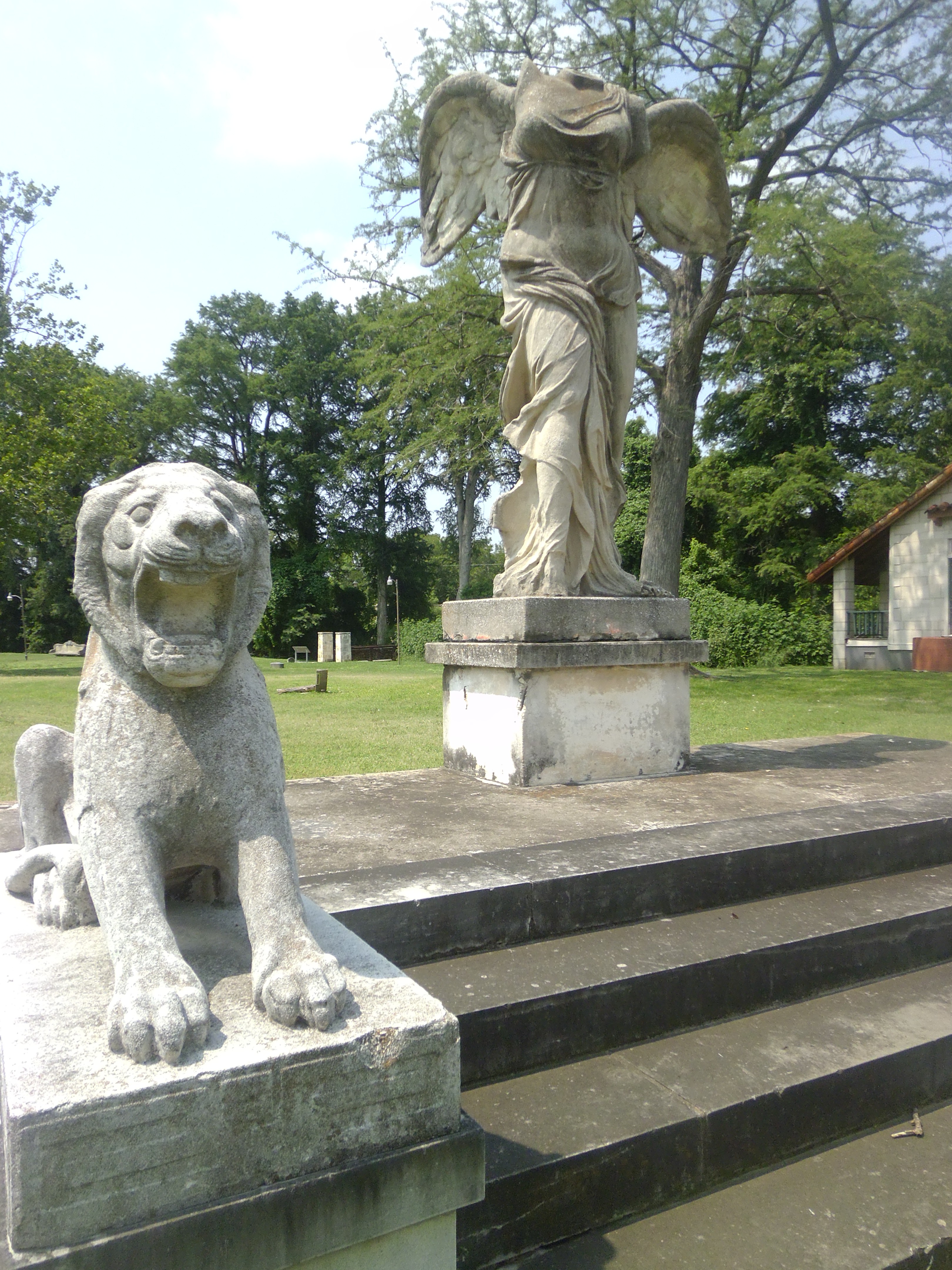
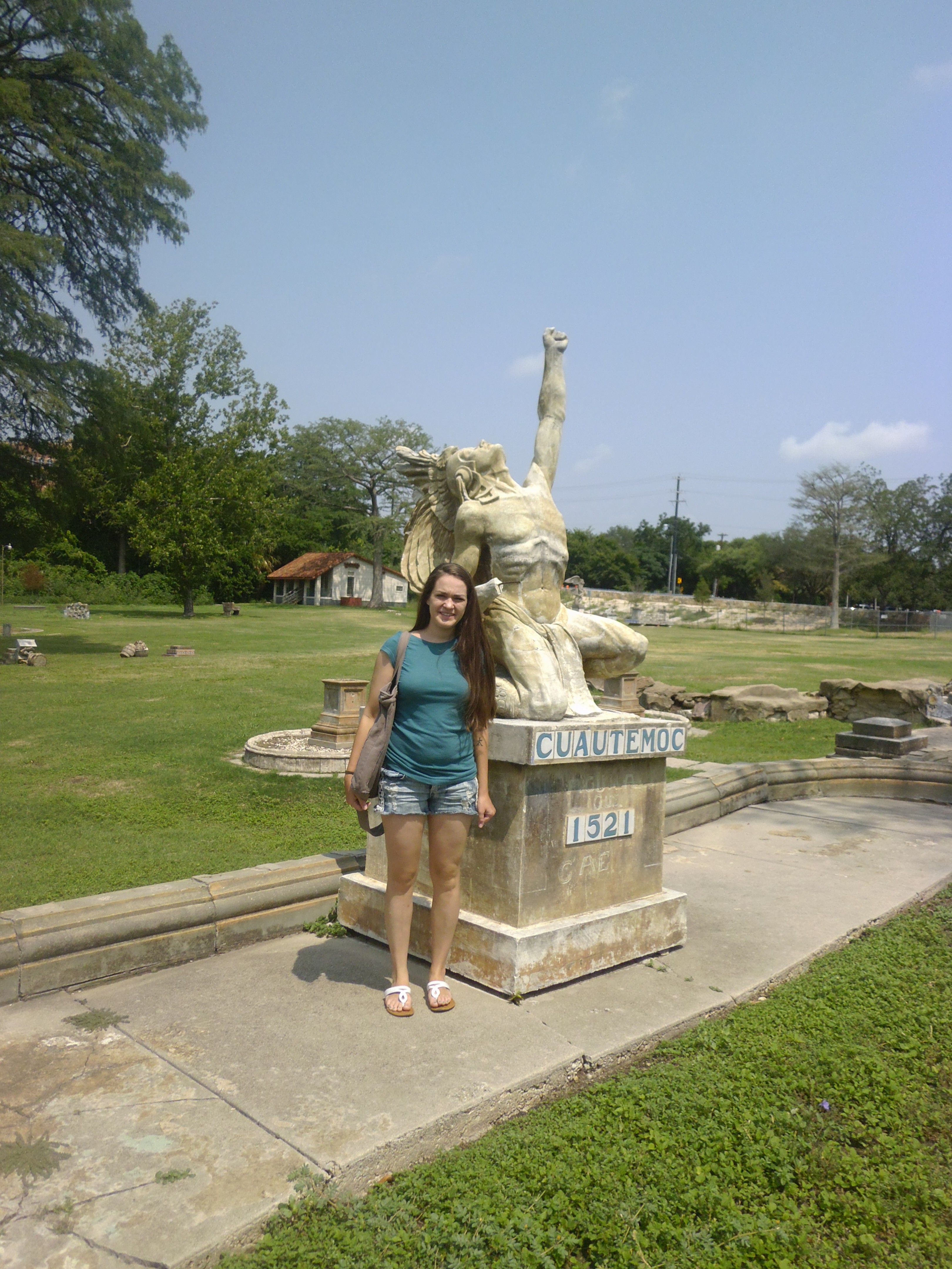
I think my favorite… the place where I could sit for hours and reflect and write… would be near Cuautemoc. He is the last ruler of the Aztecs, extremely energetic, and makes me feel mighty and safe.
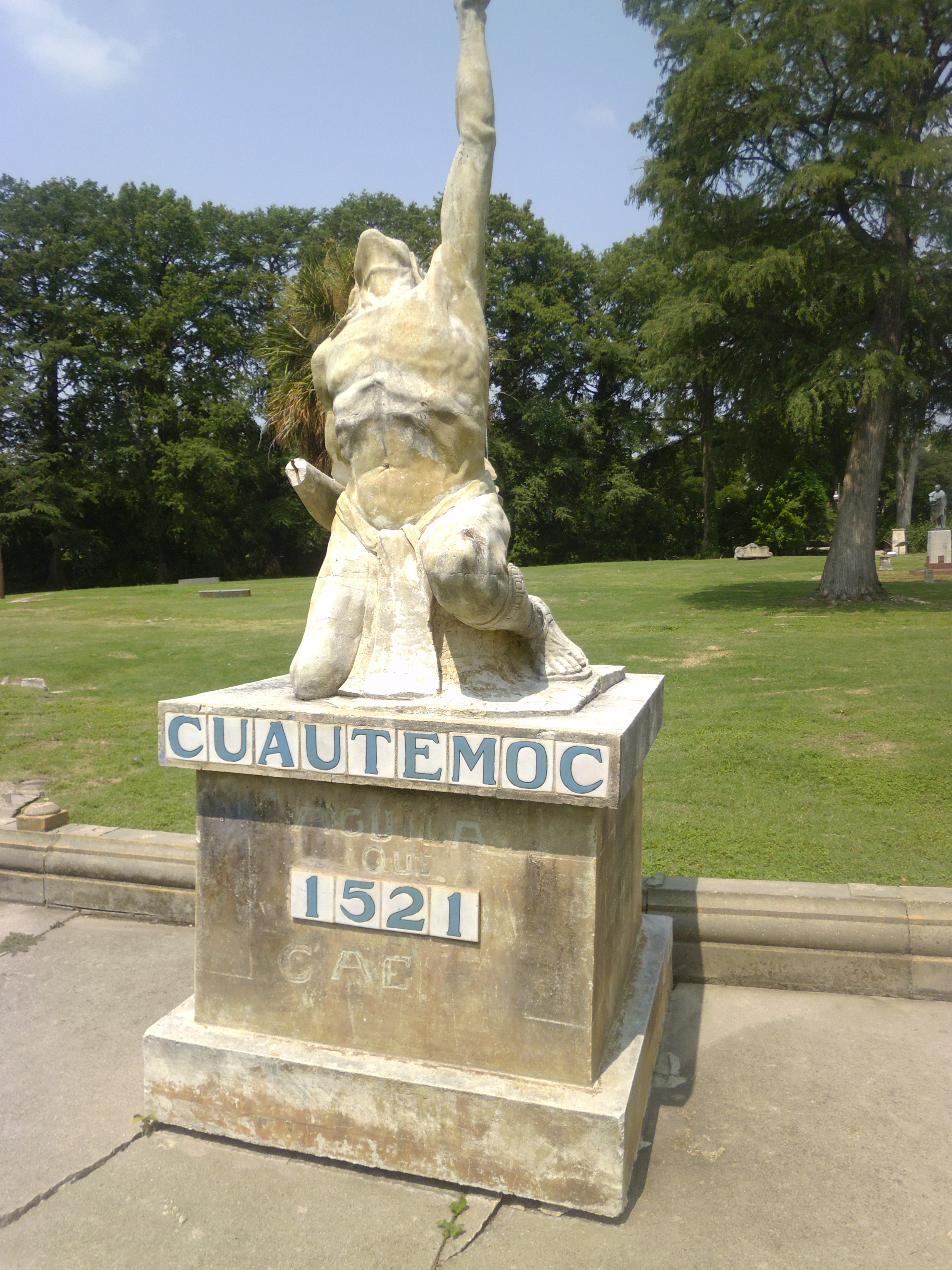
Luis L. Sanchez designed him in 1921, and it’s one of the most impressive statues I have seen in person, just for the sheer power it seems to radiate, like Achilles.
I love that Urrutia chose to include him in his garden. Regardless of the sinister rumors that still surround Urrutia and his political dealings – including this statue in his place of exile says a lot about his passions and his identity. He respected his heritage, his elders, and the past. He had a taste for art, I think, I cannot bring myself to believe that he did this for the mere sake of showing off his money. He had a library that has not survived, and clearly had a thirst for knowledge and legacy.
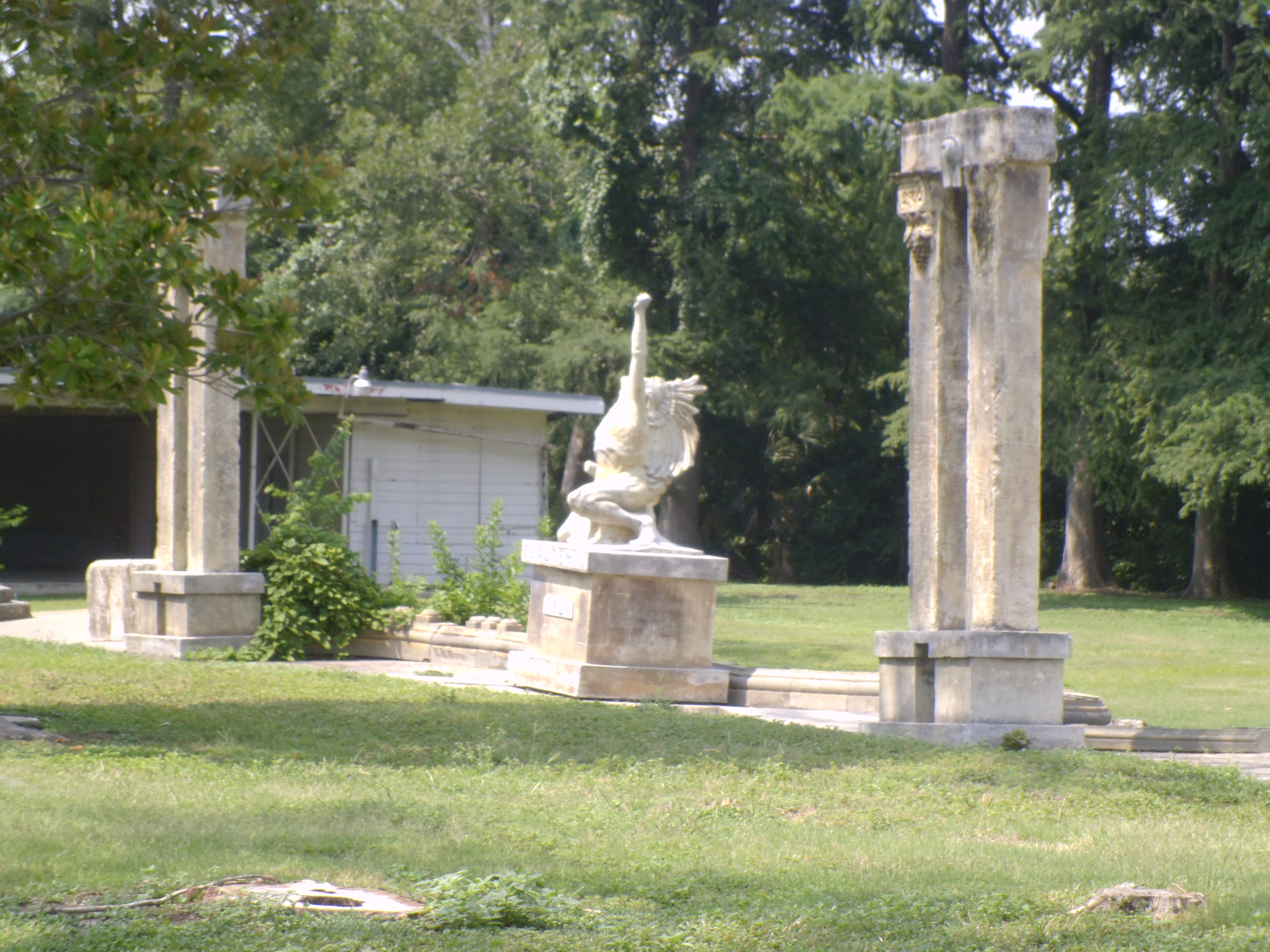
After many business deals and exchanging of hands, The University of Incarnate Word now stands where Urrutia wanted a hospital. The San Antonio Express reported in 1929 that Urrutia’s “grand ambition is to found a hospital here which will perpetuate his work … a hospital composed of pleasant, homelike bungalows surrounded by flowered lawns, clustered around a central House of Administration. For this purpose, he has bought an extensive piece of property on Broadway and Hildebrand.” It sounds to me as though he sought some gentle peace after his years in Mexican politics.
However, Urrutia’s “institution” remained a private garden for hosting his family and parties, for morning excursions to swim laps in the pools, and to feed his peacocks while wearing his infamous cape. I’m a little sorry the property never became exactly like he dreamed, but am glad he put forth the effort to get the gardens going.
Sun-Burned Days
 We went to the beach yesterday. It was amazing. We played in the sun, splashed in the waves, built sand castles with moats and walls and invading armies. We applied sunblock every 30 minutes to our fair-fair skin – spf 50. And in between those moments sprayed another kind of sunblock over our whole body to ensure that I hadn’t missed any spots.
Nonetheless, today we are burnt. Really burnt. Ok, so kiddo is moderately burnt and my legs look like lobster legs.
These are the days when being a reader and quasi hermit come in handy… we are sitting in the cool of the house watching book-based movies (The Rise of the Guardians) and patting our body parts down with home remedies.
So far, it has been a steady application of vinegar water (to take the heat out), egg whites (to minimize the blistering), aloe vera (because everyone knows to use aloe!), and at some point today I plan to try out a black tea poultice but that will require me to go purchase some Earl Gray. Frankly, neither one of us wants to leave the house.
Prior to all this excitement (or miserable post-beach adventurism) however, I was seriously looking into the idea of moving closer to the shoreline. (I’m still thinking I want to add this to my bucket list.) If only for a 6 month lease someday.
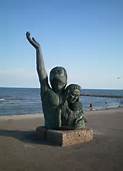 Galveston in particular is full of a rich history that I was briefly introduced to in school, mostly surrounding the epic flood of 1900 and the statue memorializing that event. I remember studying the great September 8th flood in both fourth grade and seventh grade. I even wrote a fictional diary of a girl caught in the flood as part of a required creative writing exercise. With 145 mile an hour winds, near total destruction, families lost and killed, I sort of believed it wasn’t a viable living option. Despite it being a great place to visit for the day, when Ike hit, I was still surprised to learn that people actually live on the island year round. I grew up believing it was a Houstonian’s day trip destination and nothing more.
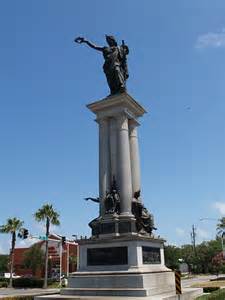 One in particular that amazed me this weekend was the statue regarding the Texas Revolution. It’s huge, and gorgeous, and well worth a child’s research paper. Despite all the intense Texas History a child is submitted to as a ward of the Texas public education system, I had completely been unaware (or merely forgot) that Galveston was the Republic of Texas’ capital city.
I definitely want to incorporate more beach trips into our lives – despite our fair skin and my current severe sun burn. But if I were to ever live there for a few months or so with our kiddo, I have so many cool lessons plans already half built around what would become our daily schedule. Just the architecture alone is worth a good week’s worth of study.
The whole day was a gentle reminder to be a tourist in your own city from time to time. It can be highly educational.
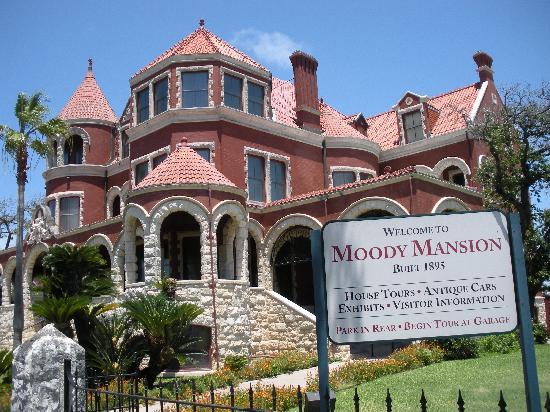
Until then, maybe we’ll check out some Books about Galveston Island





 Anakalian Whims